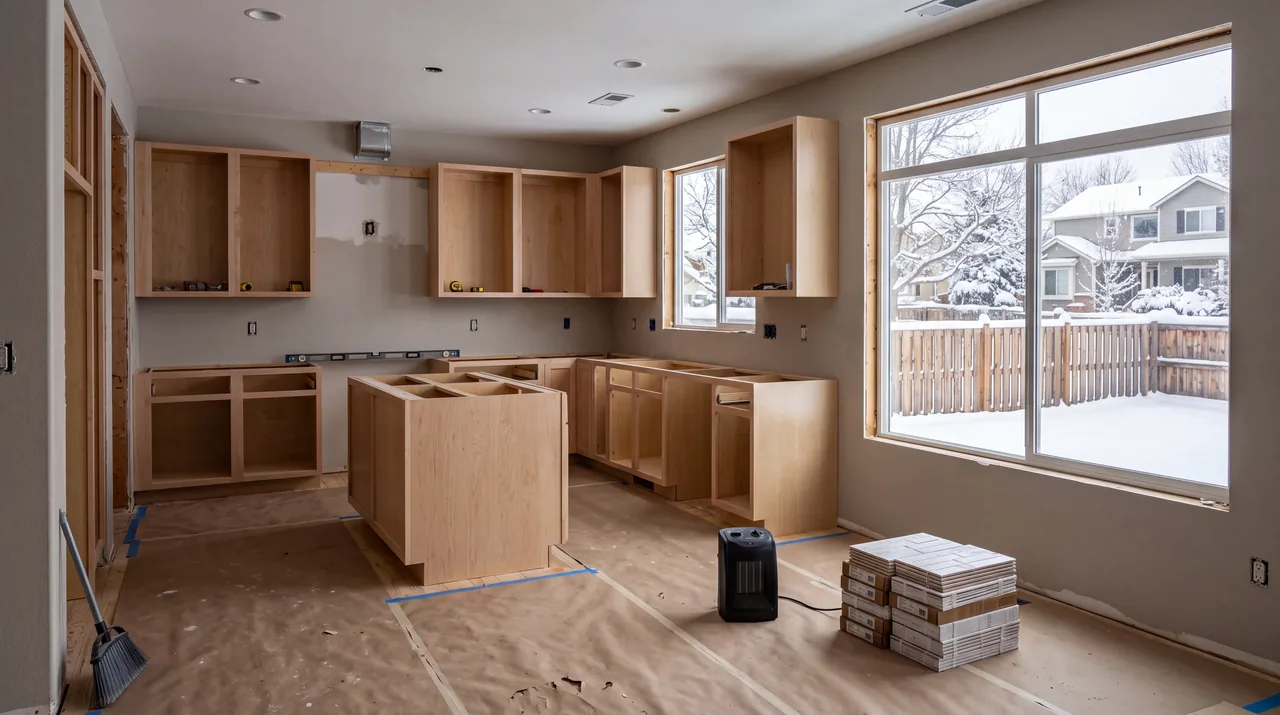
Remodeling in winter makes the most sense for projects that happen inside a closed, heated house: kitchens, bathrooms, basements and most interior renovation. Exterior work and anything that needs digging is still possible along the Front Range, but it takes more planning and more patience with weather days. If you're deciding this month whether to start now or wait for spring, the table below is how we'd sort it.
The short version: if the work stays behind your exterior walls and under your roof, cold weather is mostly a non-issue. If it opens the house up or depends on the ground, winter adds steps.
Which projects suit remodeling in winter
| Project | Winter fit | What decides it |
|---|---|---|
| Kitchen remodel | Strong | All interior work. Water and power are shut off in sections, not for the whole house. |
| Bathroom remodel | Strong | Interior work. Tile setting materials and grout need a heated room, which the house already provides. |
| Basement finishing | Strong | Below grade and buffered from outdoor swings. Little reason to wait. |
| Whole-home interior renovation | Strong to fair | Fine while the shell stays closed. Harder if walls or roof sections come off. |
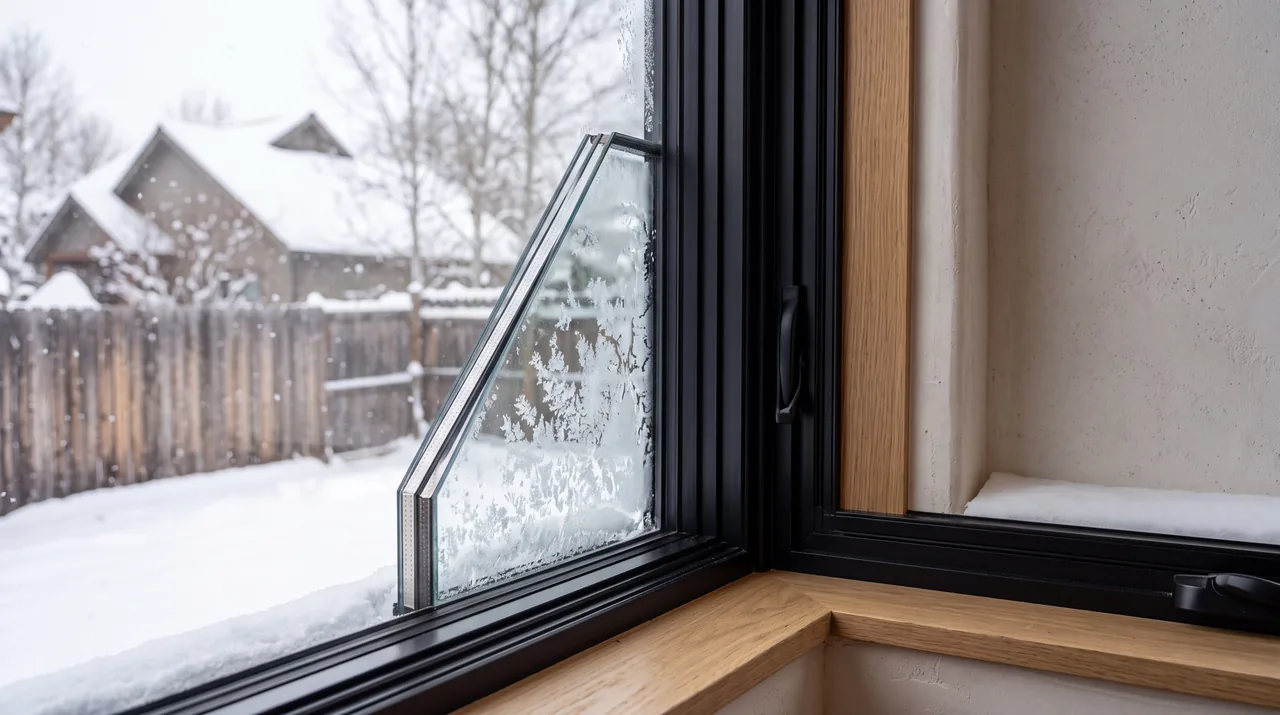
| Window replacement | Fair | Done one opening at a time so the house isn't left exposed. Sealants and foams have minimum application temperatures. |
| Siding | Fair | Depends on the material. Some products get brittle in the cold, and the manufacturer's instructions set the limits. |
| Roofing | Fair to weak | Shingle seal strips need warmth to bond, so cold-weather application steps apply. Snow and ice stop work. |
| Decks and outdoor living | Plan now, build later | Footings need unfrozen ground or cold-weather concrete measures. Design and permitting fit winter well. |
| Home addition | Weak at the start, strong once dried in | Foundation and framing are exposed. After the shell is closed, interior work goes on normally. |
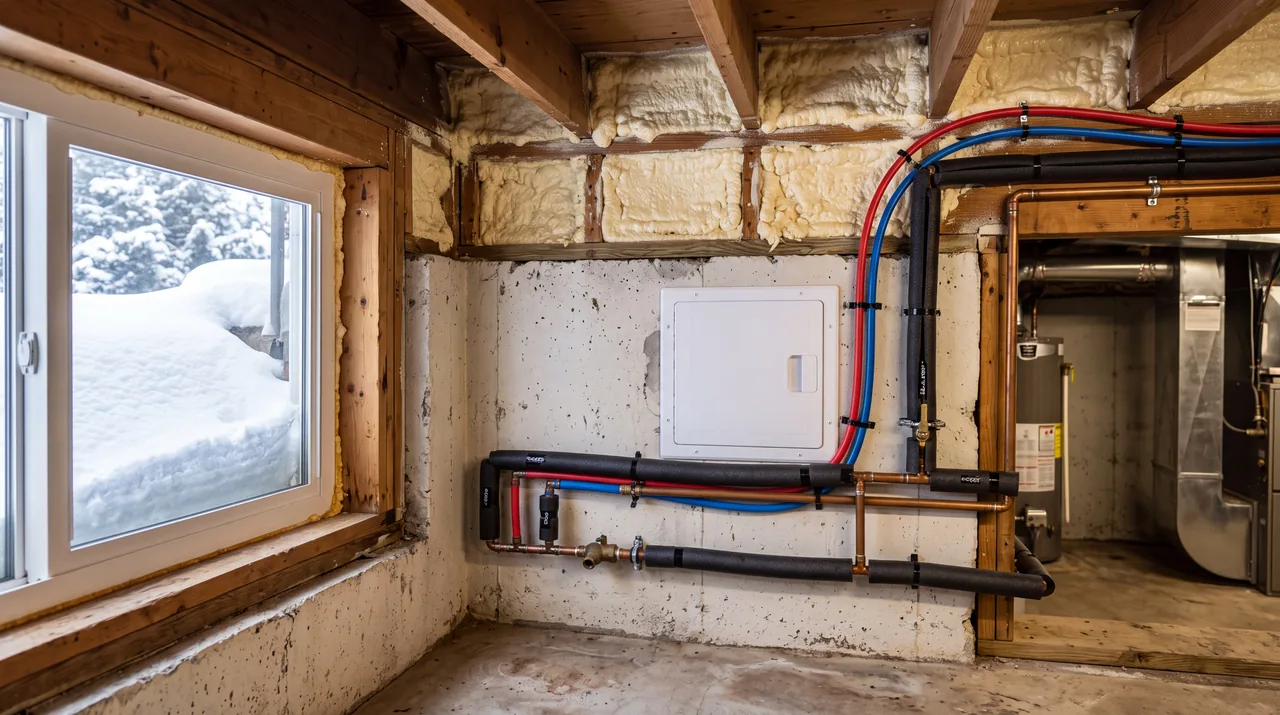
Kitchens are the classic winter project because nothing about them cares what's happening outside. The same goes for a bathroom remodel, where the materials that matter most (waterproofing, thinset, grout) are happiest in a warm, stable room. A basement finishing project may be the best fit of all, since the space is already insulated by the soil around it and the crew rarely needs to go in and out of the main living areas.
For exterior projects, winter is still useful. It's the right time to settle the design, pick materials and get drawings in front of the local building department, so the build can begin when the ground and weather cooperate.
What changes on a winter jobsite
Interior work in winter isn't harder, but it is different. Four things get more attention than they would in July.
Heat
The house has to stay heated through the project, including nights and weekends, because many finishes keep curing after the crew leaves. Turning the thermostat way down over a holiday weekend can stall drywall compound or grout that was set on Friday.
Construction dust is the other side of running the furnace. Return vents near the work area should be sealed off, and filters checked and changed more often than usual. Where extra heat is needed, electric or vented heaters are the better choice in an occupied home. Unvented fuel-burning heaters add water vapor and combustion byproducts to the air, which you don't want around fresh finishes or your family.
Curing and drying
Every adhesive, sealant, thinset, grout, joint compound and paint has a minimum application temperature, and most also list a minimum for the curing period. Those numbers are on the product's technical data sheet or label, and they're the ones to follow. Cold slows curing, so the next step waits until the last one is actually ready.
Exterior concrete is its own subject. The American Concrete Institute publishes guidance on cold-weather concreting (ACI 306), and the usual tools are insulated blankets, heated enclosures and adjusted mixes. Concrete producers also generally advise keeping deicing salts off new concrete through its first winter.
Then there's wood. Front Range winter air is dry, and wood floors, trim and cabinets shrink when they lose moisture and swell again in summer. Flooring should be acclimated to the indoor conditions it will live in, following the manufacturer's instructions, and the expansion gaps they specify at walls are there for summer. This is where the scribed joint matters to us: a cabinet scribed tight to a wall in January has to look just as good in July, so we fit for how the material will move, not just how it looks on install day.
Deliveries
Many water-based products can't be allowed to freeze. Paint, some adhesives, caulks, grout admixtures and liquid waterproofing membranes often carry a "keep from freezing" warning, and one night in a cold truck or garage can ruin them. Those materials should go straight into heated space.
Materials that arrive cold also need time to come up to room temperature before they're used. Tile, flooring and setting materials installed straight off a frozen pallet won't behave the way the manufacturer intended.
Order long-lead items early. Cabinets, windows and specialty fixtures each have their own supplier schedules, and a storm can delay a delivery by a day or more. For a kitchen remodel, we'd want cabinets confirmed before demolition starts so the room isn't sitting empty waiting on a truck.
Snow, ice and access
A clear, safe path from the driveway to the work area matters more than most owners expect. Decide ahead of time who shovels and when, where the dumpster or material drop goes, and whether it will block snow removal.
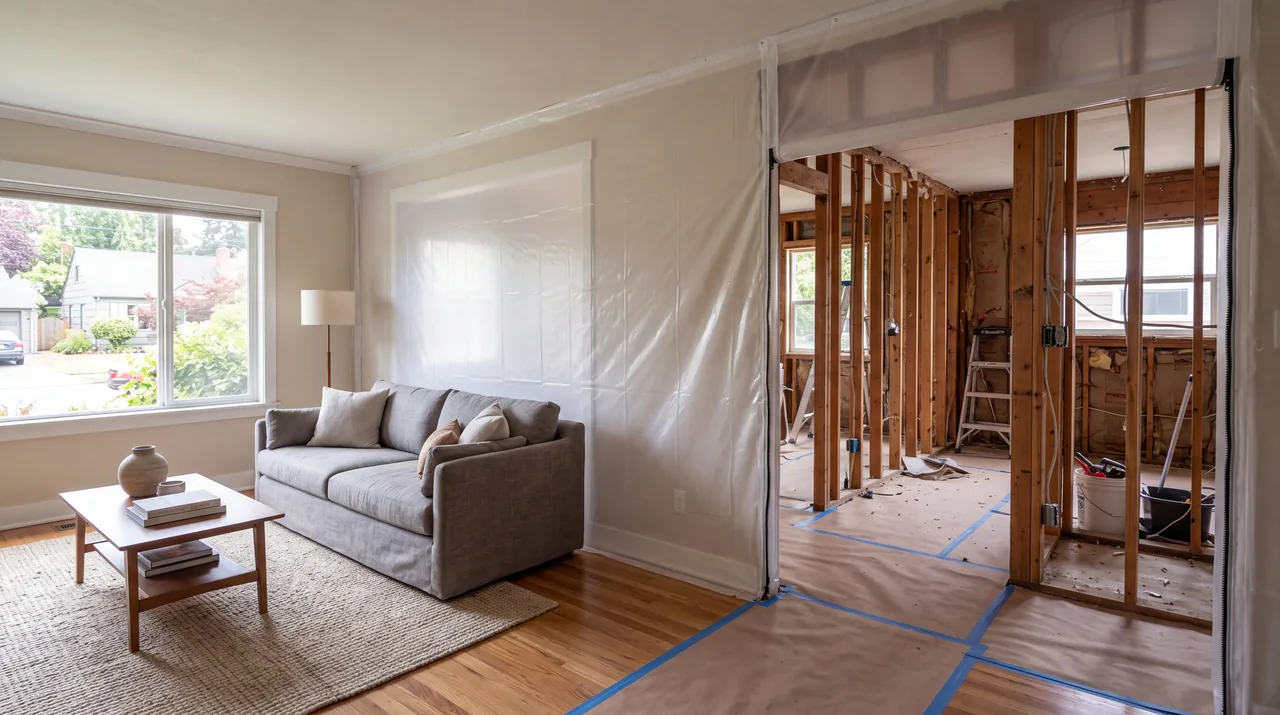
Inside, floor protection needs to run the whole route from the entry door to the work area, because slush and grit come in on every boot. Short daylight hours also affect exterior work and deliveries, since crews and drivers lose light earlier in the afternoon.
Starting now or waiting for spring
The best time to remodel is when the project fits your household, not just the season. For interior work, we'd lean toward starting in winter if your design is settled and your materials are chosen. There's no weather reason to wait, and you'll be finished before the spring rush of outdoor projects competes for attention.
A few things are worth weighing first. If you host family over the holidays, a kitchen torn down to the studs in December may not suit you, so plan the start date around your calendar. If you're living in the house during a kitchen project, set up a temporary kitchen somewhere else with a fridge, a microwave and a sink nearby. And for a winter home renovation that touches several rooms, agree on which areas stay livable and in what order the work moves through the house.
If the project is exterior or involves an addition, use the cold months to finish design and permitting so construction can begin as soon as conditions allow. Code requirements, including frost depth for footings, vary by jurisdiction, and the local building department has the final word.
If you're weighing an interior remodel this winter, get in touch and we'll talk through your timing.