Fort Collins neighborhoods and the houses in them
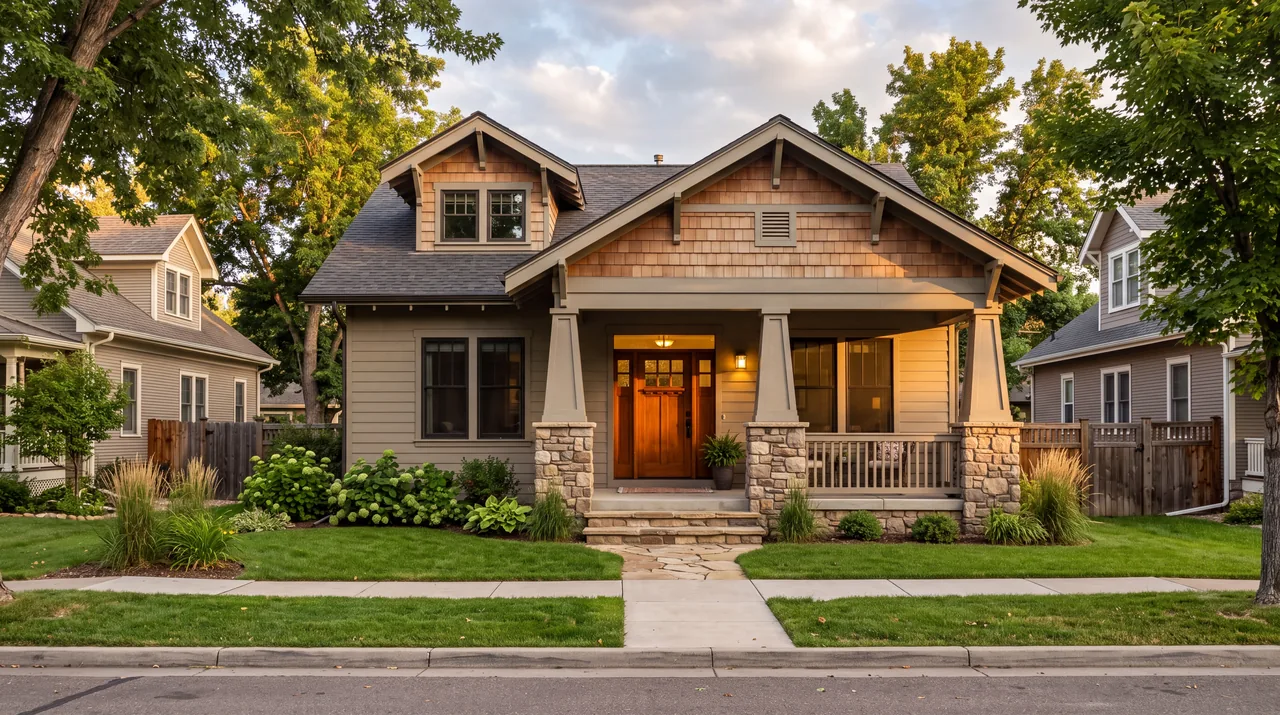
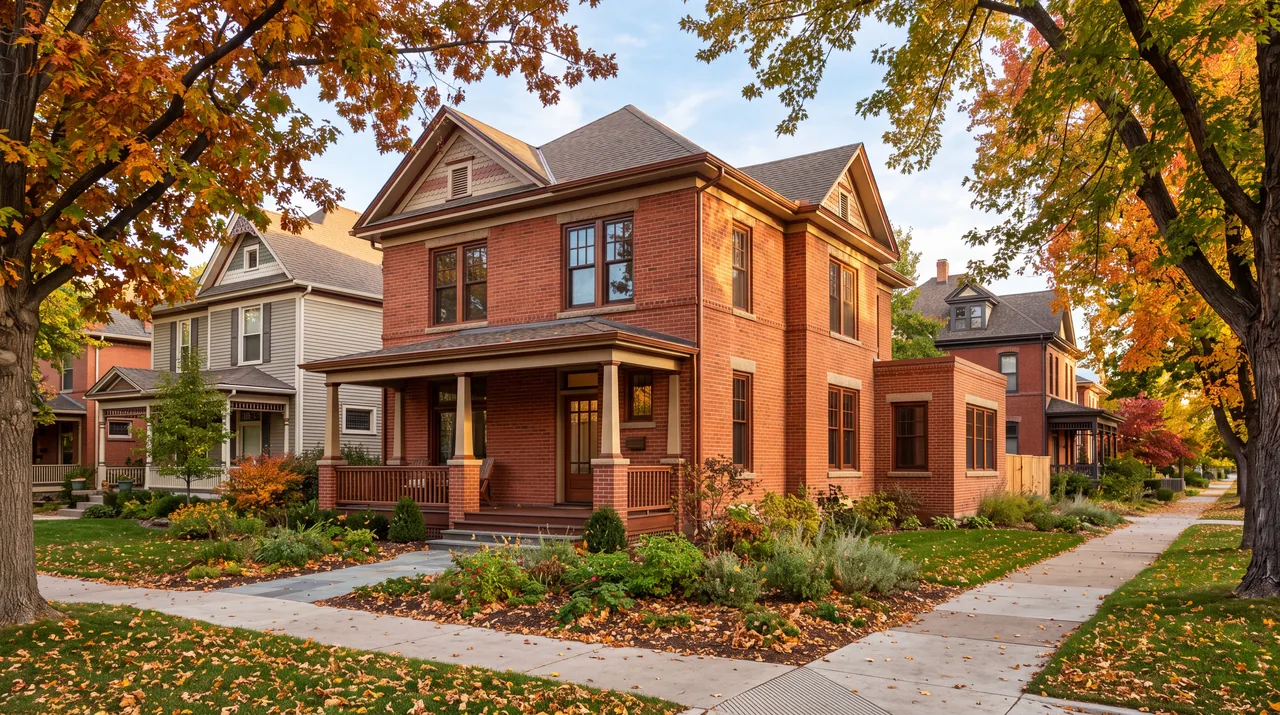
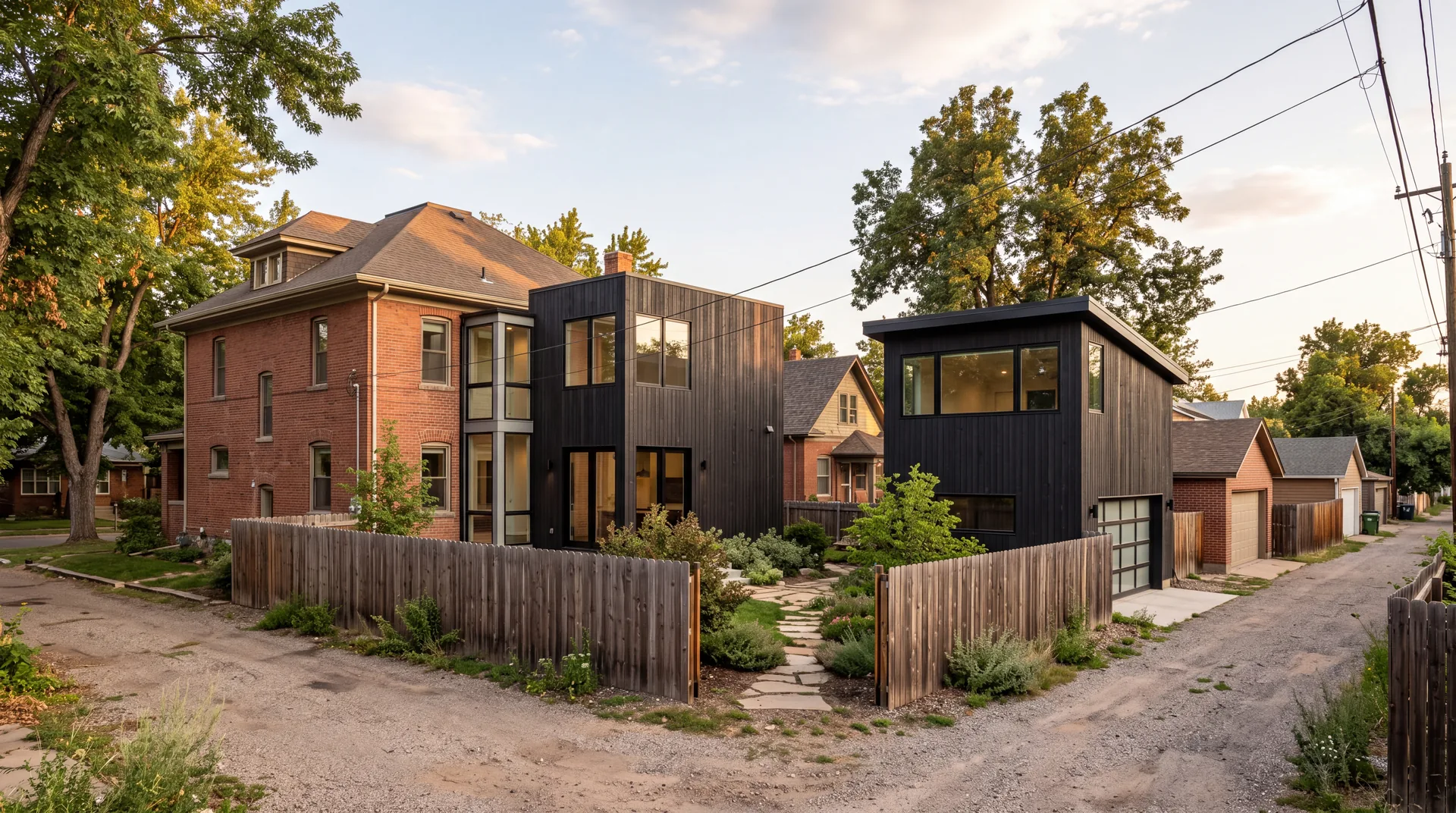
Fort Collins grew outward from Old Town and the Colorado State University campus. The blocks closest to downtown, including the Eastside and Westside neighborhoods and the Laurel School Historic District, hold many early 1900s houses: bungalows, foursquares and modest cottages on narrow lots, often with an alley behind.
In the neighborhoods that filled in after World War II, ranches and split-levels take over. The south and southeast parts of the city came later, with tract homes from the 1970s onward and newer master-planned subdivisions where HOA covenants and design guidelines shape what you can add or change.
An Old Town bungalow often needs structural and mechanical work before finishes make sense. A 1970s ranch usually has sound bones and a plan that wants opening up.
What changes in Fort Collins
- 01
Soils report first
Expansive clay is common in parts of Fort Collins, so foundations for new homes and additions should follow a site-specific soils report.
- 02
City or county
Inside city limits, the City of Fort Collins issues permits. Nearby unincorporated addresses go through Larimer County instead.
- 03
Historic review
Older buildings and designated districts near Old Town can carry historic review that affects exterior design and demolition.
- 04
Floodplain check
Some lots near the Cache la Poudre River and other drainages sit in mapped floodplains with added building rules.
- 05
Hail-ready exteriors
Summer hail is common here, so impact-rated roofing and durable siding are worth pricing out.
- 06
HOA design review
Newer subdivisions on the south side often require HOA approval for additions, decks and exterior changes.
Soils, weather and permits in Fort Collins
Expansive clay soils are common in parts of Fort Collins and across northern Colorado. Clay that swells when wet and shrinks as it dries moves foundations, slabs and flatwork, so a new home or an addition here should start with a soils report and a foundation designed to its findings.
Summer hail is a regular event along the northern Front Range, and freeze-thaw cycles work on anything that holds water. Roofing, gutters and flashing at windows and decks deserve real attention. The city also has mapped floodplains, including along the Cache la Poudre River, which can limit where and how you build on certain lots.
Who issues building permits in Fort Collins
Inside city limits, permits come from the City of Fort Collins building services group, which adopts its own code amendments and sets local snow and wind design requirements. Homes in unincorporated Larimer County are permitted by the county instead, even with a Fort Collins mailing address.
Historic review on older Fort Collins homes
Fort Collins runs an active historic preservation program. Demolition or major exterior change to an older building can trigger historic review, and properties that are individually landmarked or sit in a designated district carry added design review. Raise it at the start of any project near Old Town.
Remodels, additions and new homes Fort Collins owners ask about
Kitchen and bathroom remodeling is the most common starting point in older Fort Collins houses, where a small kitchen and a single bath no longer fit the household. Opening a bungalow wall often means rerouting plumbing and upgrading electrical service too.
Home additions in Fort Collins on narrow central lots usually go up or back, since side setbacks leave little room. A second story needs the existing foundation and framing checked by an engineer first.
Finishing a basement is common in postwar ranches and newer homes alike. Radon is common in Colorado, so testing before you close in the space is sensible, and any bedroom down there needs code-compliant egress.
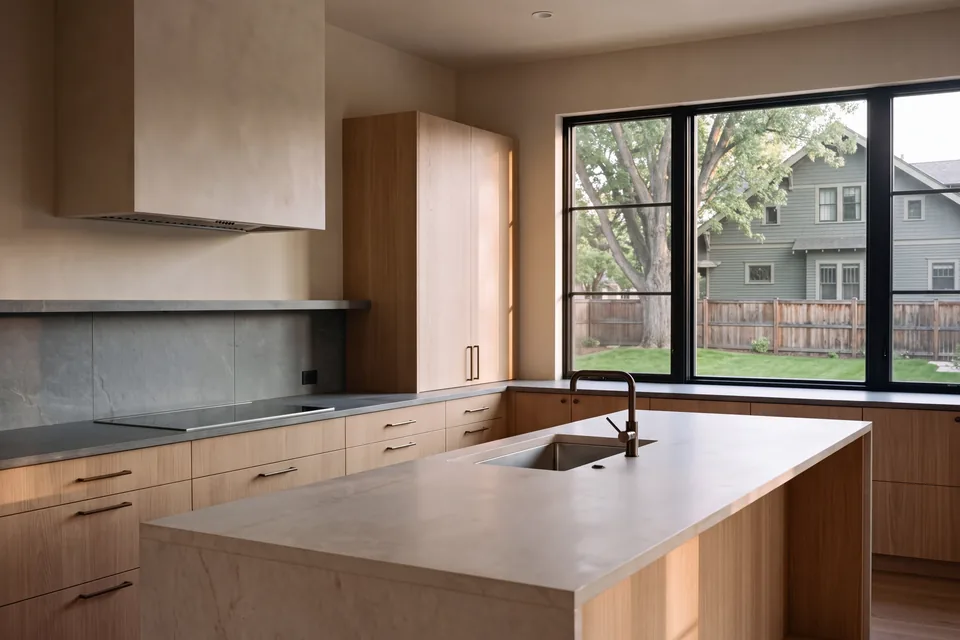 Kitchen remodelsLayout, ventilation, power and storage worked out before a cabinet is ordered.
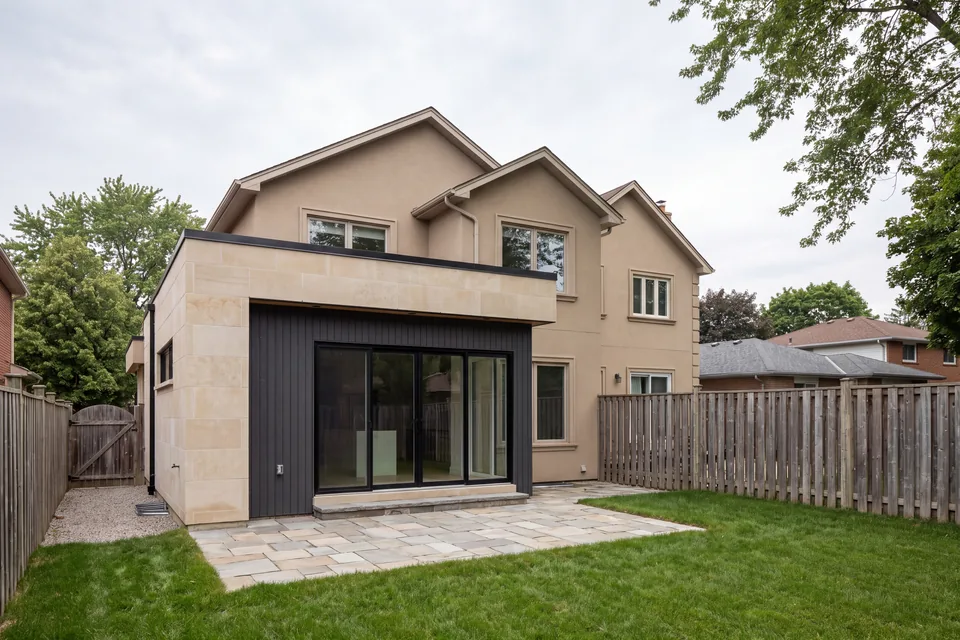 Home additionsNew space tied into the old structure so it looks and performs like one house.
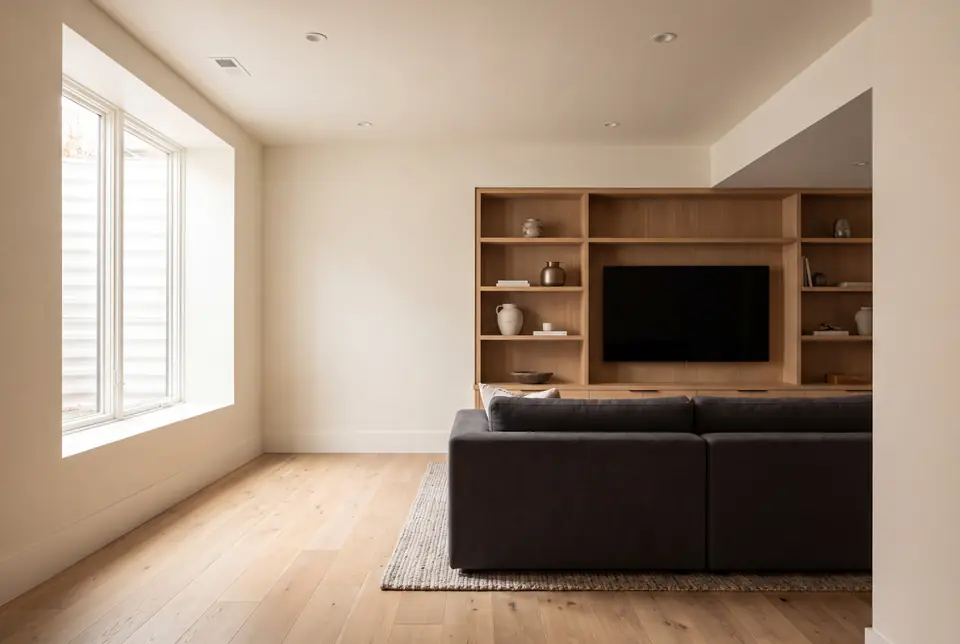 Basement finishingDry, safe, permitted lower levels, with moisture and radon handled first.
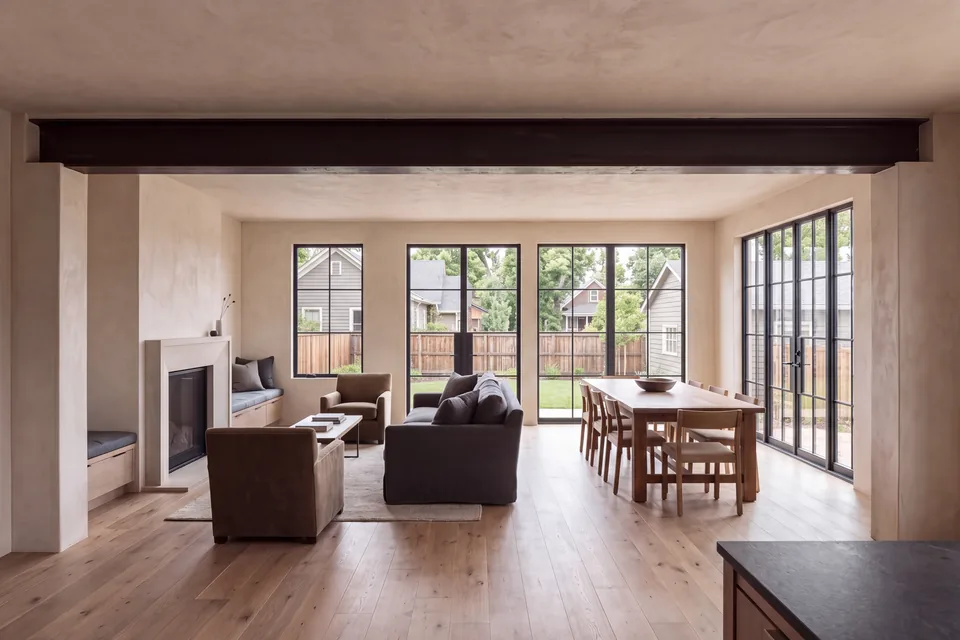 Whole-home renovationReworking an existing house end to end, including what the walls reveal.
Remodel, add on or rebuild on a Fort Collins lot
Owners of older homes near the campus and Old Town often weigh three paths: remodel within the existing walls, add on, or replace the house. The answer depends on the foundation, the condition of the framing, how much of the plan still works, and what zoning and any historic review will allow on the lot.
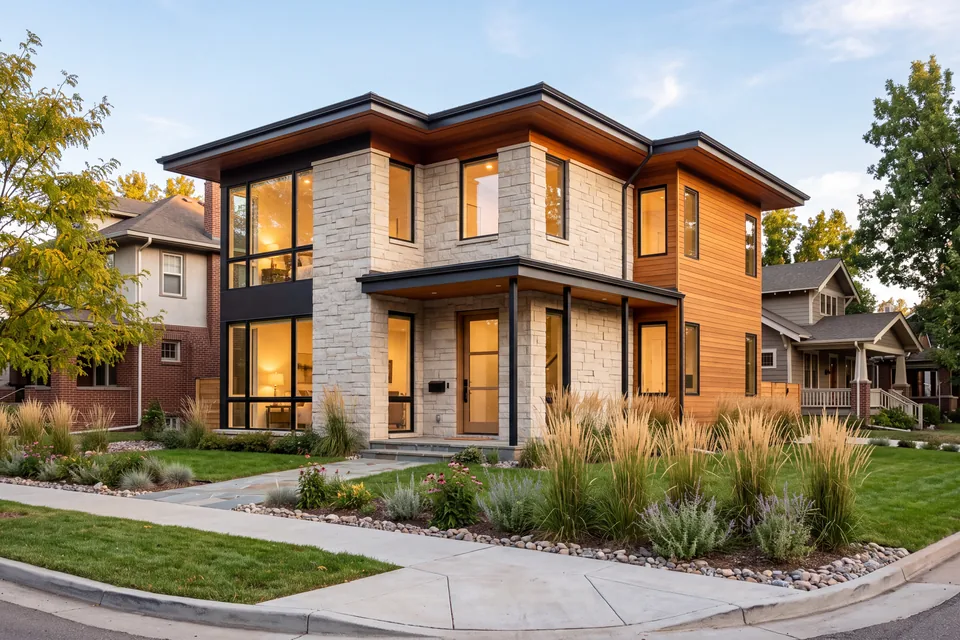
When a house has too many problems to chase one at a time, a whole-home renovation and a new custom home on the same lot deserve a side-by-side comparison. The joint details page covers where houses fail first, at roof-to-wall and window-to-siding transitions.
If you're also looking a few miles south, building in Loveland means a different city building division and its own set of rules.
Questions about building and remodeling in Fort Collins
Do I need a permit to finish a basement in Fort Collins?
Yes. Finishing a basement inside city limits typically requires a building permit from the City of Fort Collins, plus electrical, plumbing and mechanical permits as the work calls for. Bedrooms need code-compliant egress.
Can I add a second story to an older house near Old Town?
Often, but it depends on the existing foundation and framing, zoning height and setback limits, and whether the house is subject to historic review. An engineer should confirm the structure first.
Is expansive soil a problem in Fort Collins?
It can be. Clay soils that swell and shrink with moisture occur in parts of the city and affect foundations, slabs and driveways. A soils report tells you what your lot needs.
Should I remodel my Fort Collins home or build new?
Compare the cost of fixing the foundation, structure and systems against replacing the house, and factor in what the lot and any historic review allow.