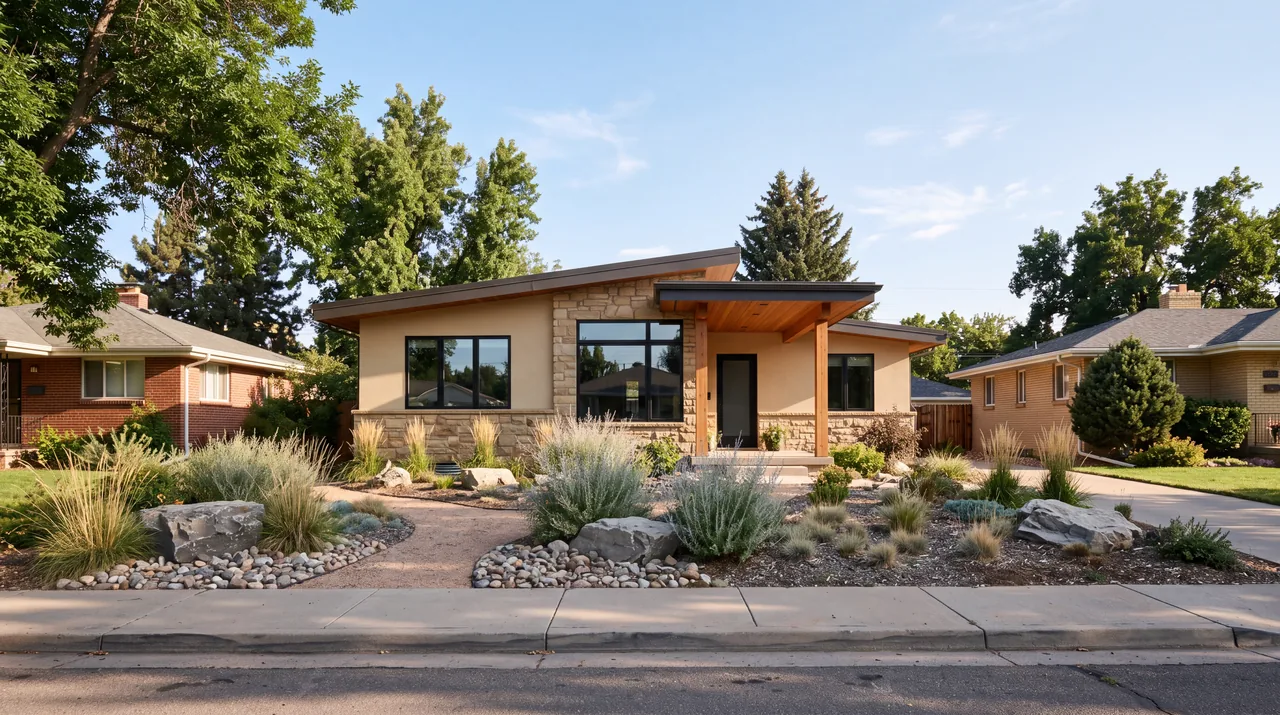
Colorado home builder service areas along I-25
The service area follows the I-25 corridor. At the south end is Colorado Springs, with Monument just north on the Palmer Divide. Through Douglas County it runs past Castle Rock, Parker and Highlands Ranch into the Denver metro area, then north through Broomfield, Boulder and Longmont to Loveland and Fort Collins in Larimer County.
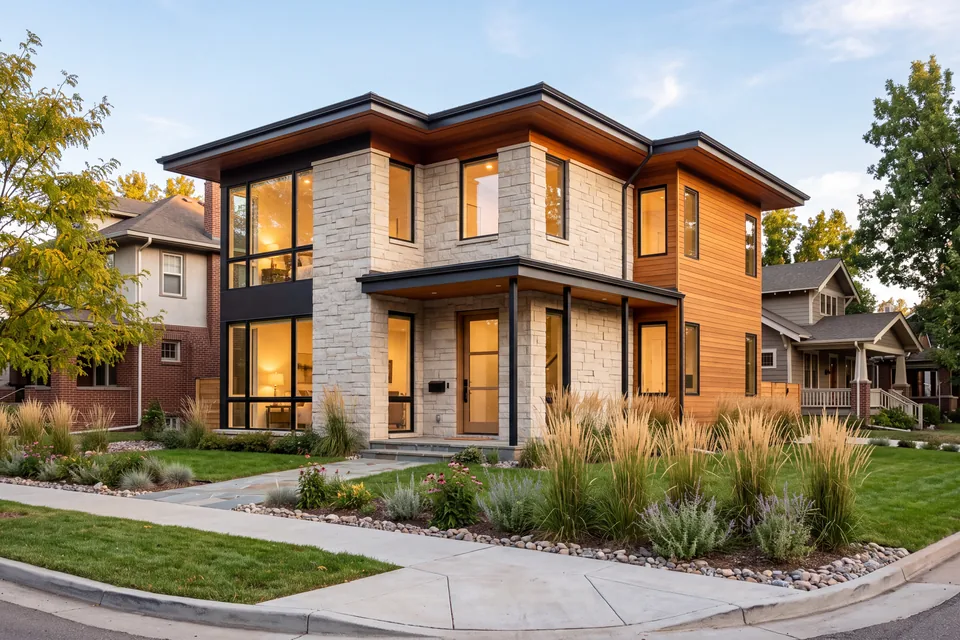
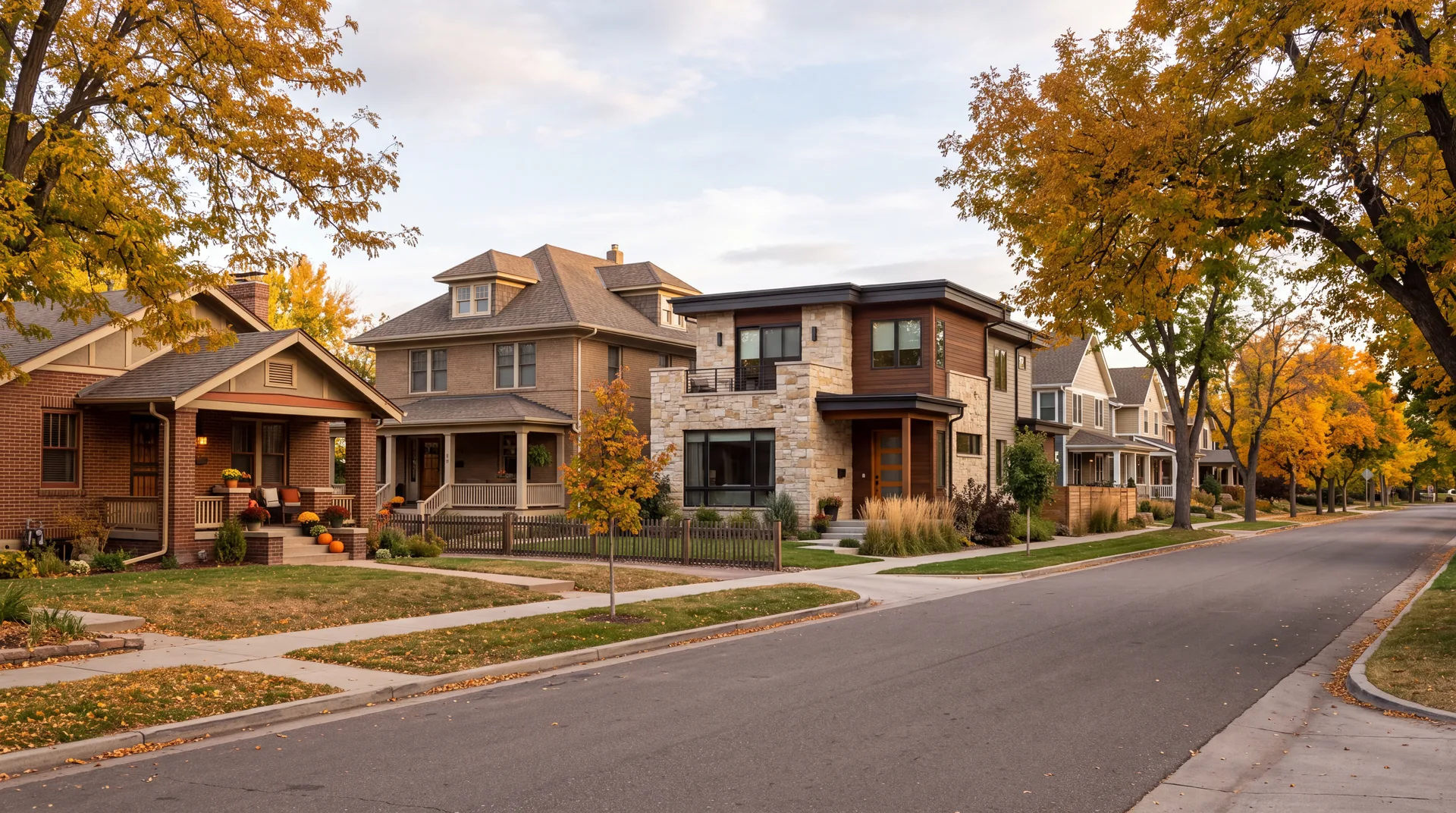
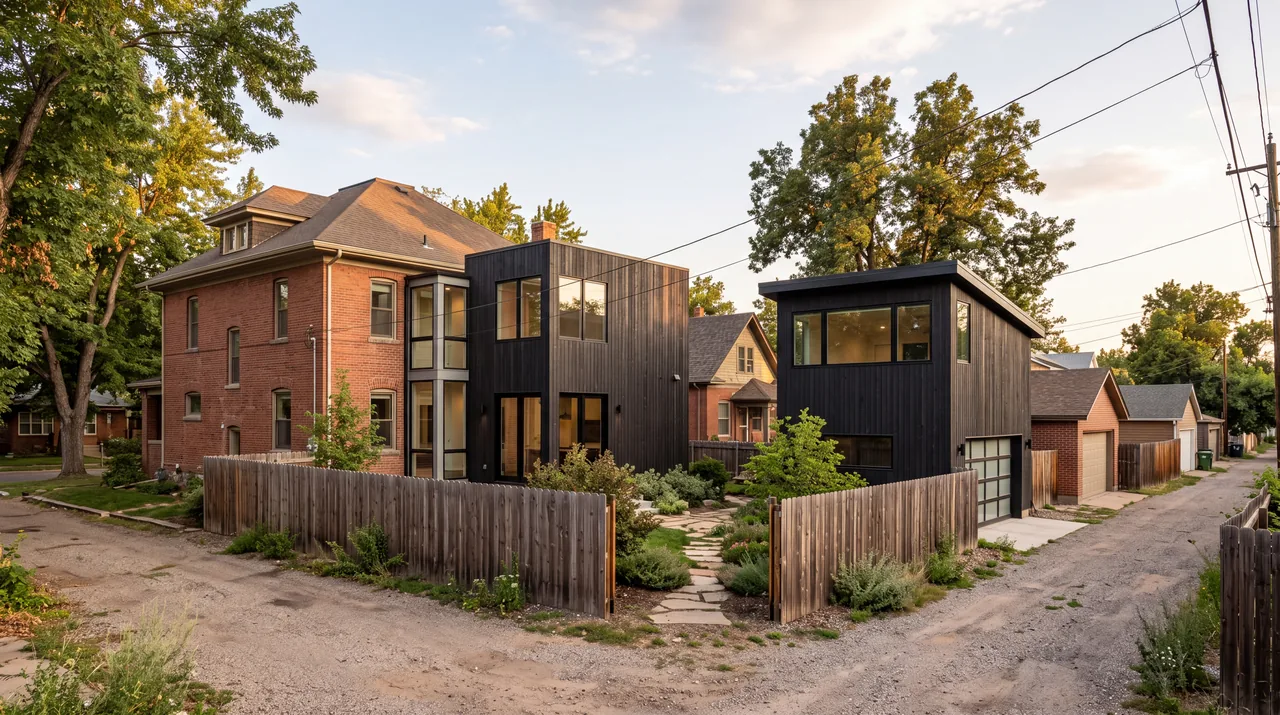
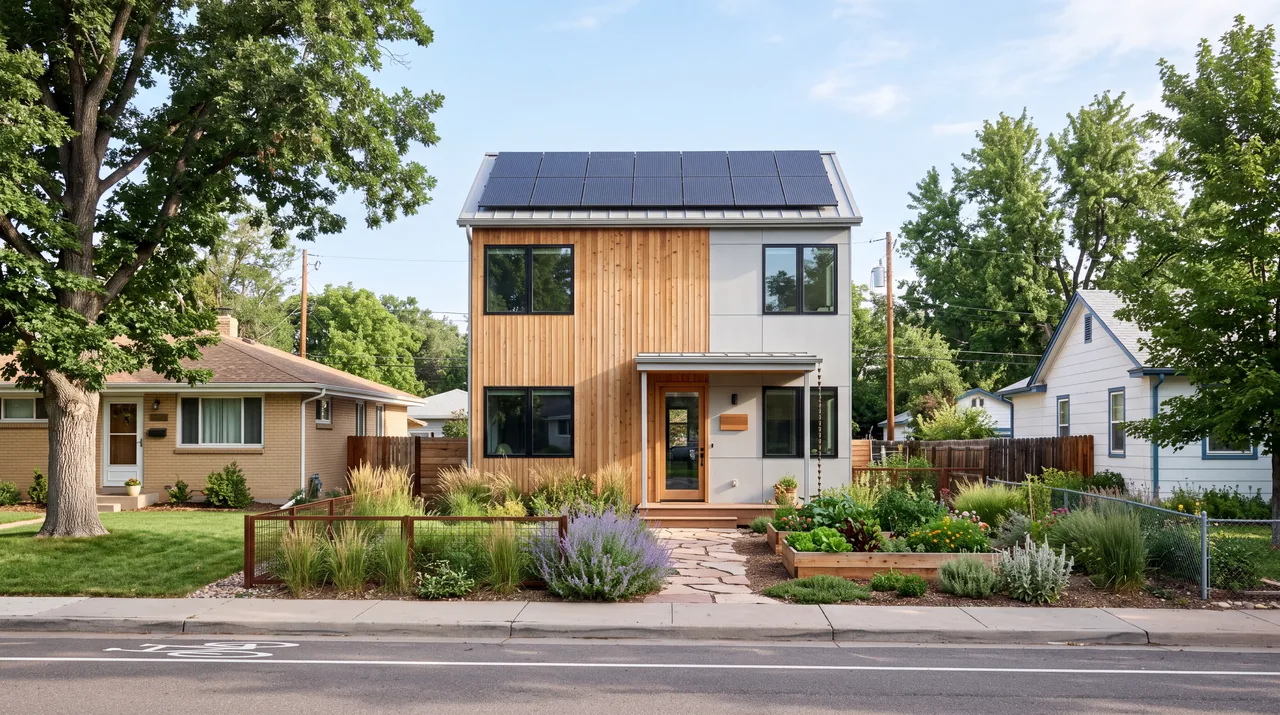
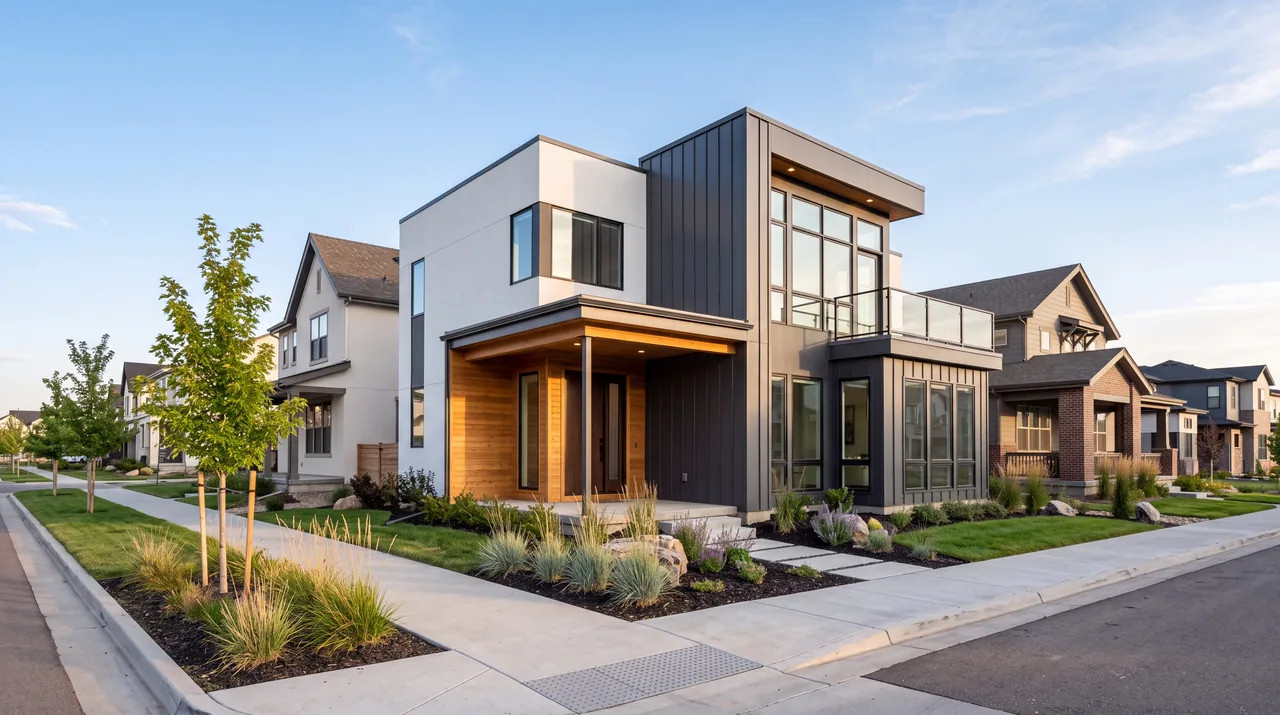
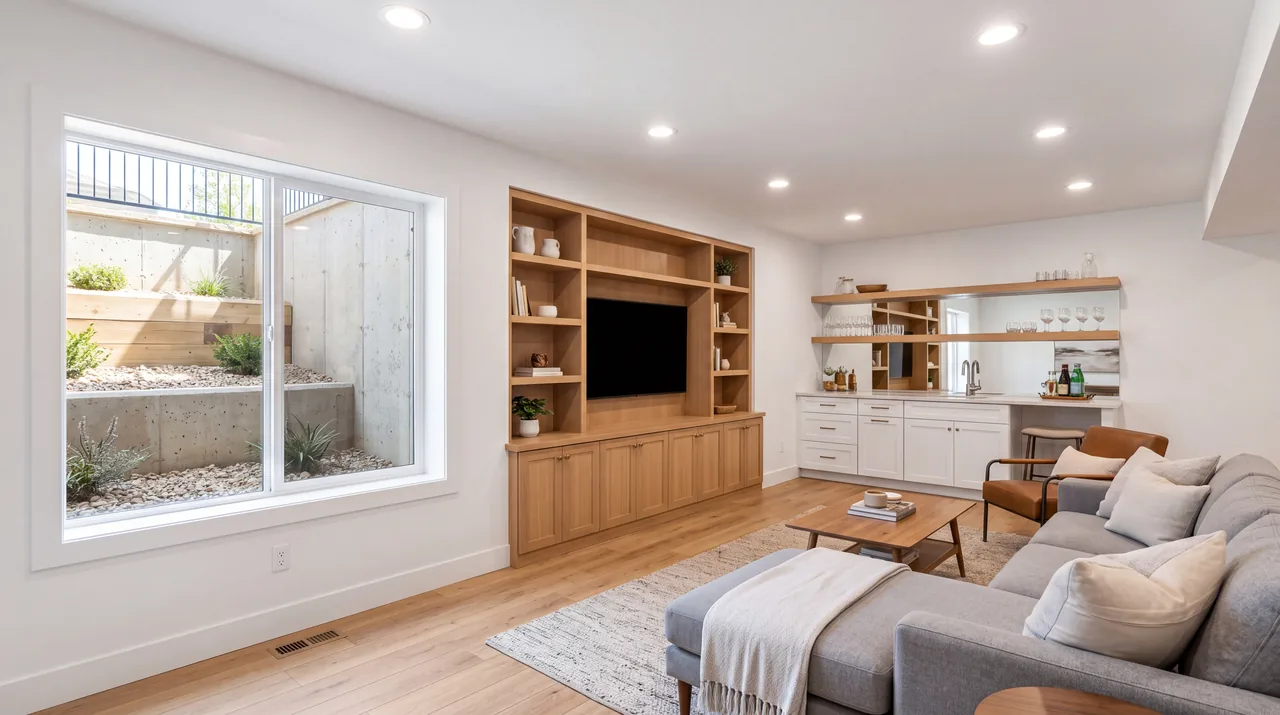
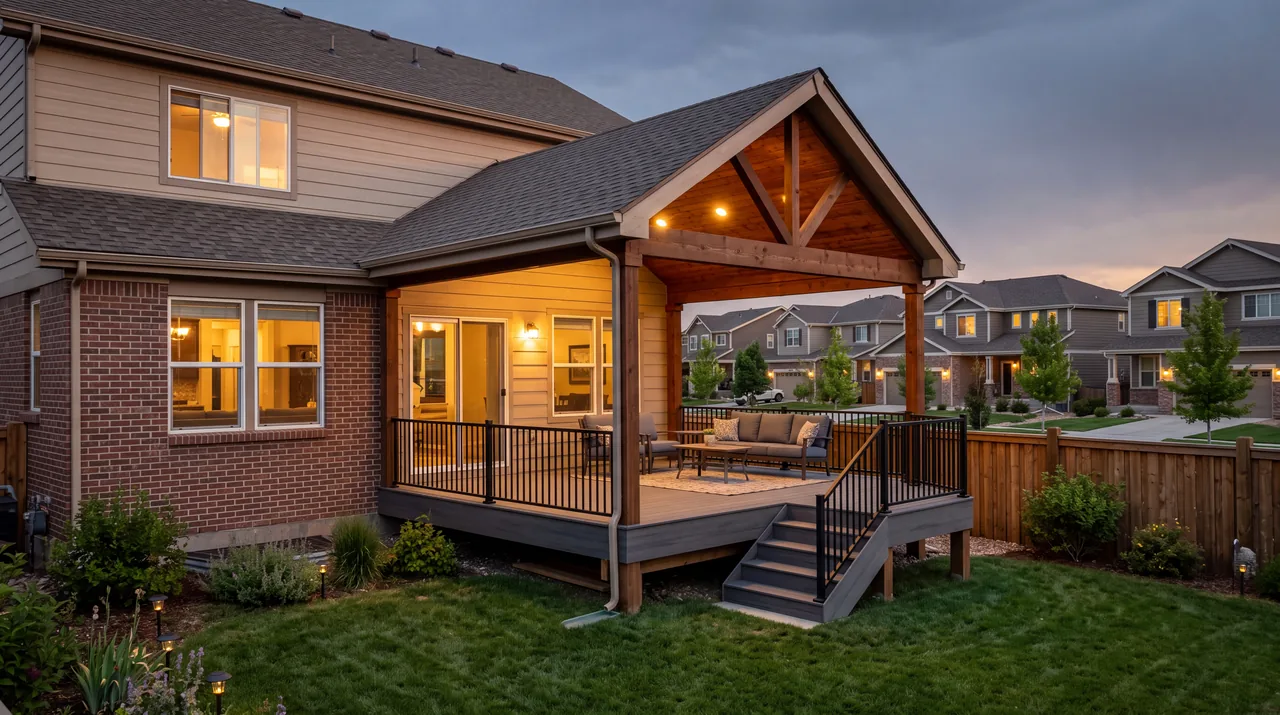
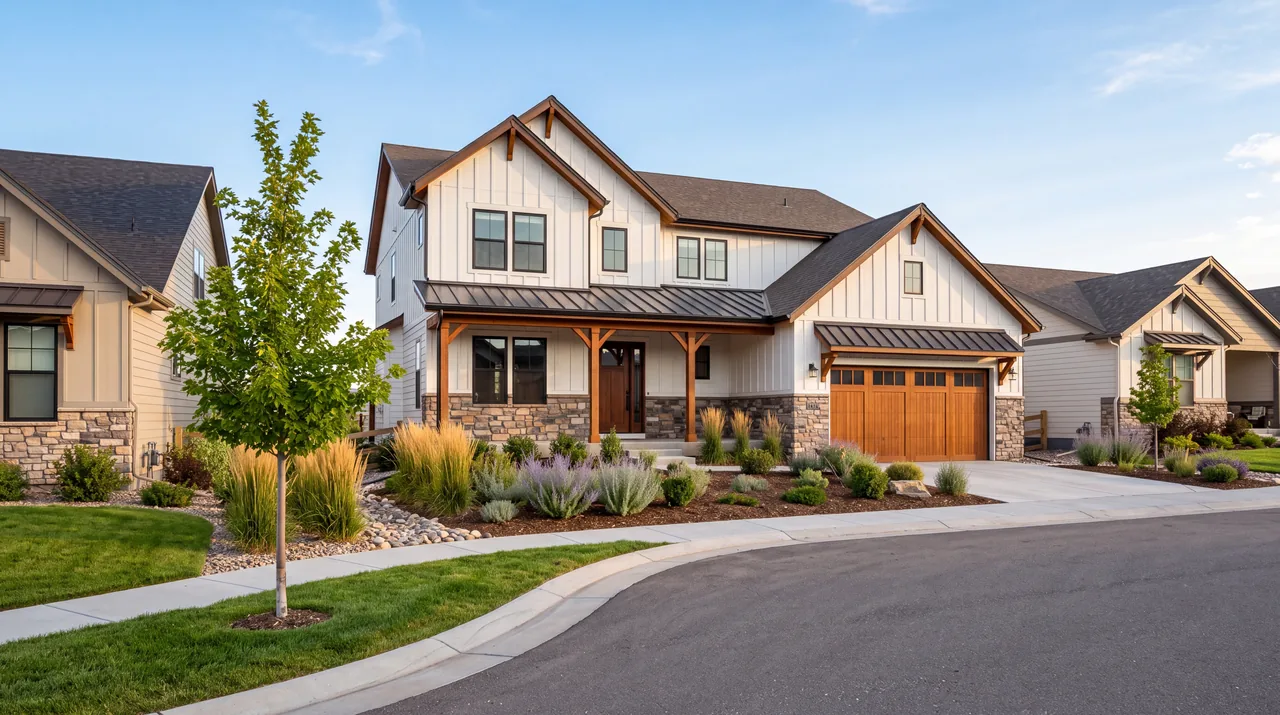
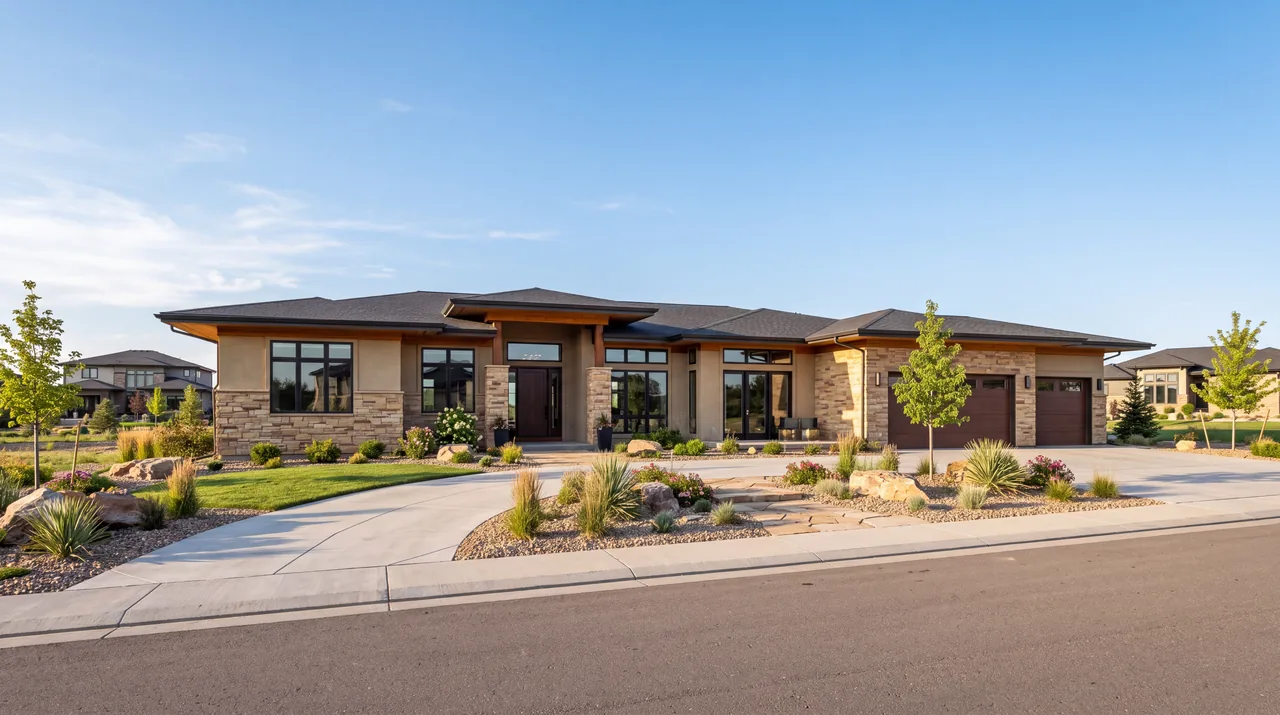
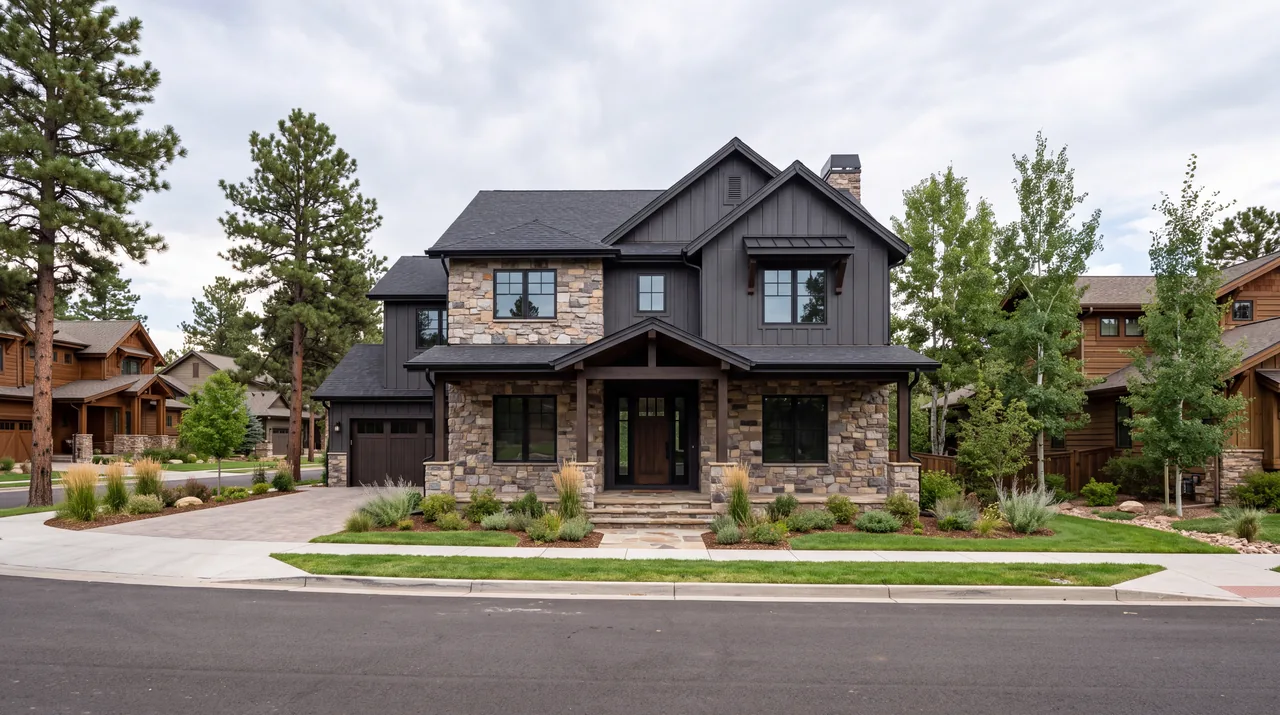
The work spans established neighborhoods and infill lots as well as newer subdivisions on the edges of these cities. That covers new custom homes, kitchen, bathroom and basement remodels, whole-home renovations, additions, decks and outdoor living, roofing, siding and windows, and repairs. Each city page covers its local housing, permit office and conditions.
What changes in from north to south
- 01
Clay soils
Expansive clay occurs along much of the corridor, so new foundations should follow a site-specific soils report.
- 02
Hail everywhere
From Fort Collins to Colorado Springs, summer hail makes impact-rated roofing and tough siding worth considering.
- 03
Snow load by jurisdiction
Each building department sets design snow loads, and they rise with altitude toward the Palmer Divide.
- 04
Design review
Historic districts in older cores and HOA or metro district rules in newer suburbs can both shape a design.
- 05
Older cores, newer subdivisions
Early 1900s houses near downtowns need different work than postwar ranches or recent master-planned homes.
Denver metro home remodeling and new construction
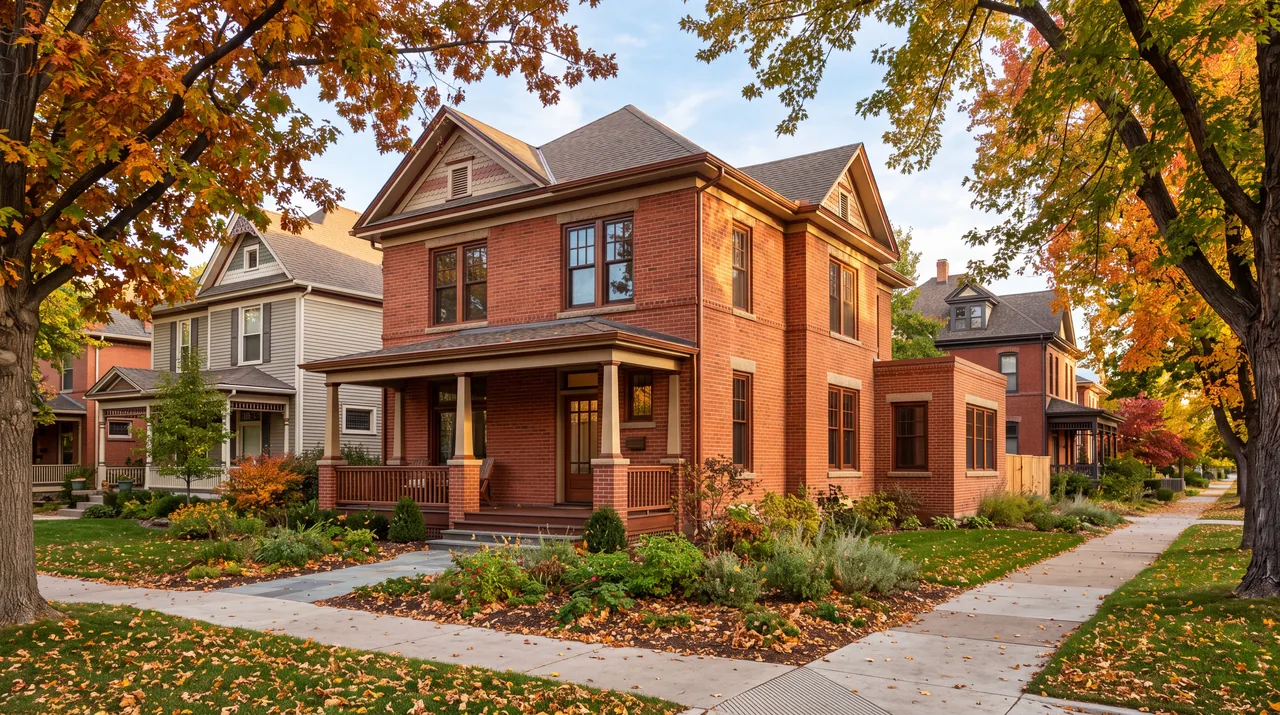
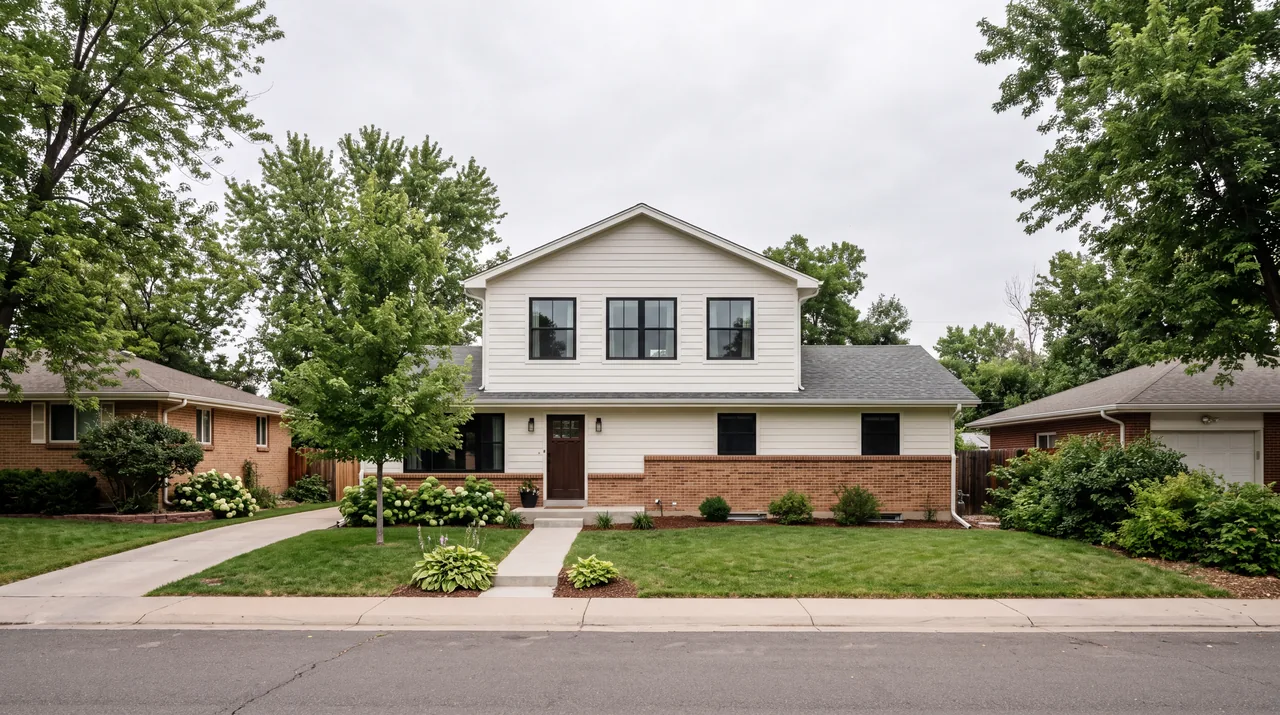
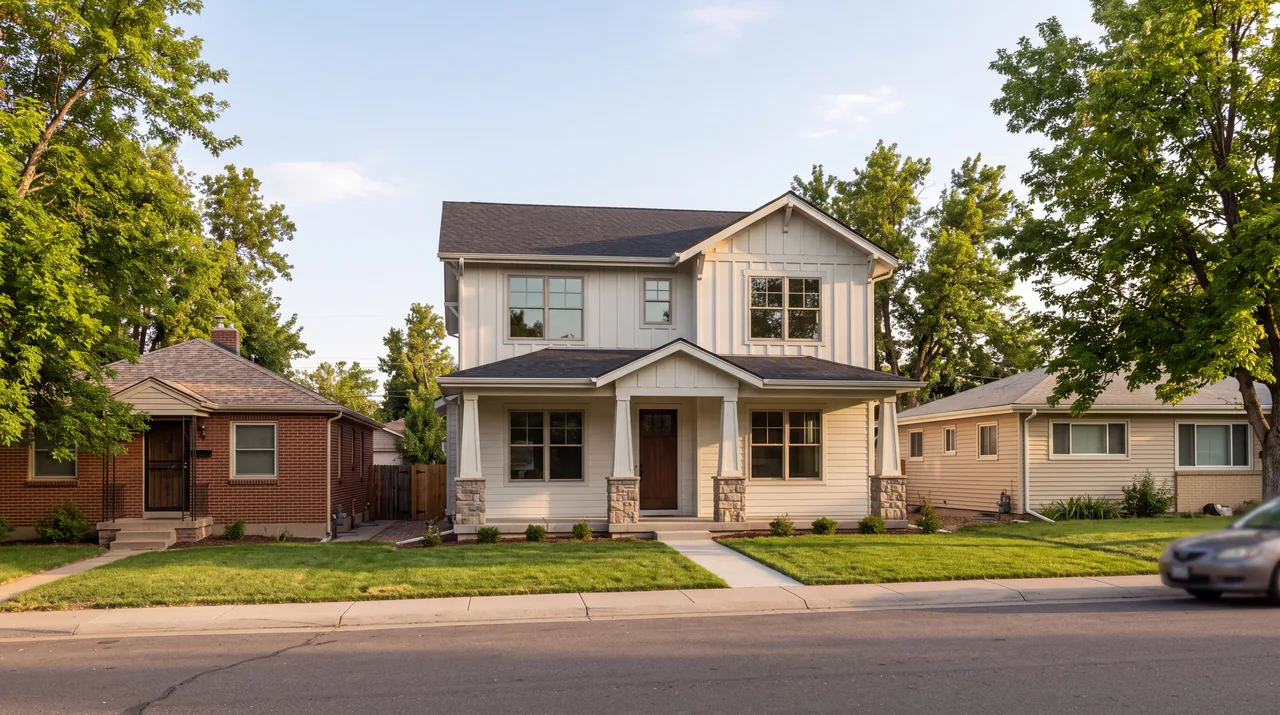
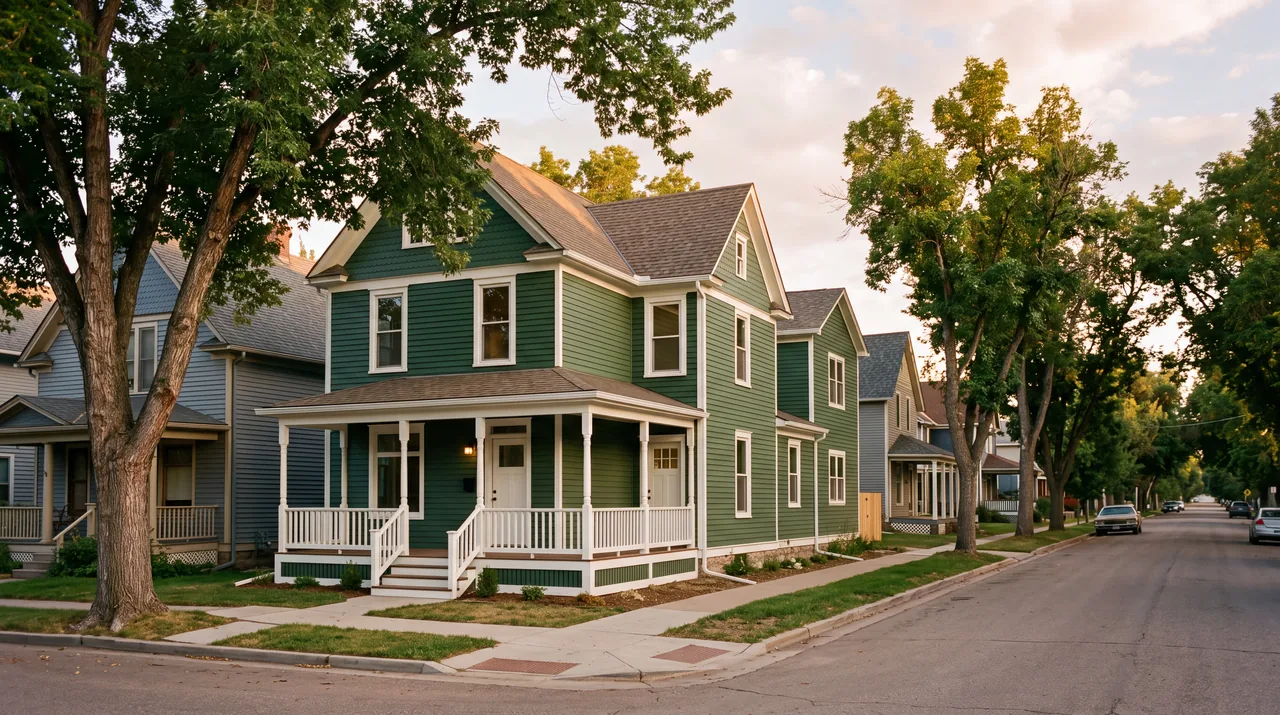
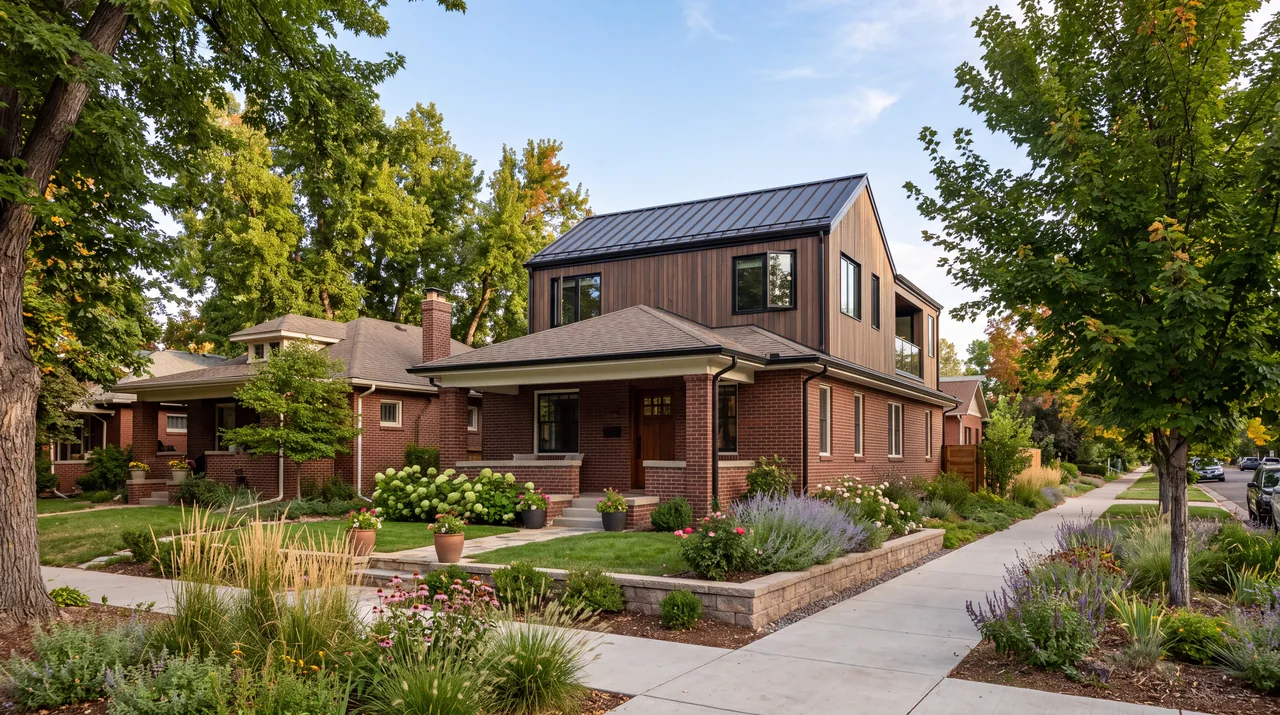
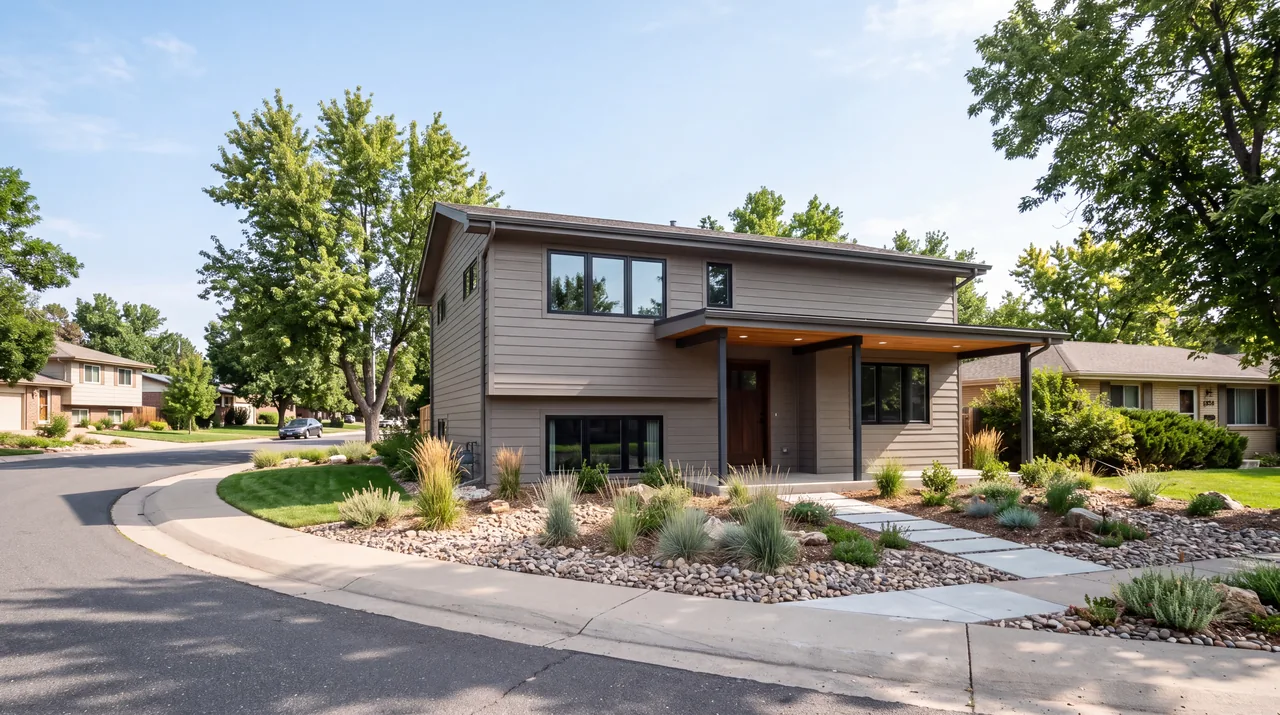
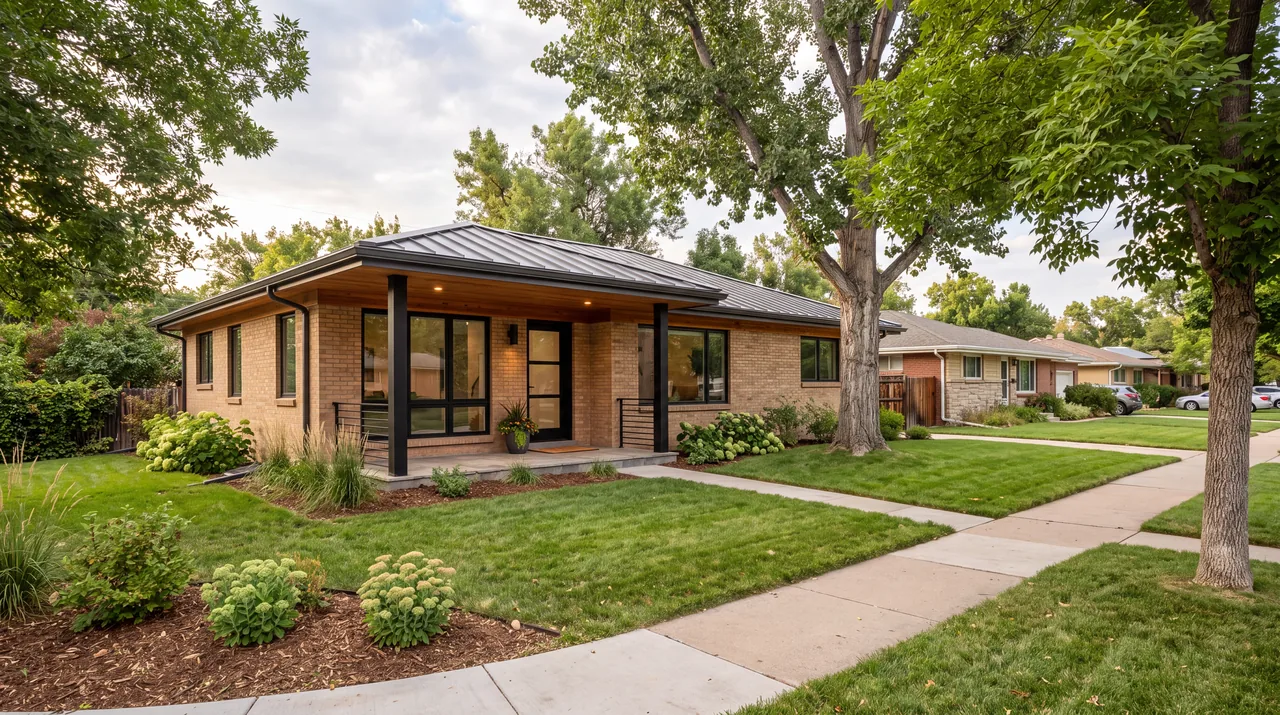
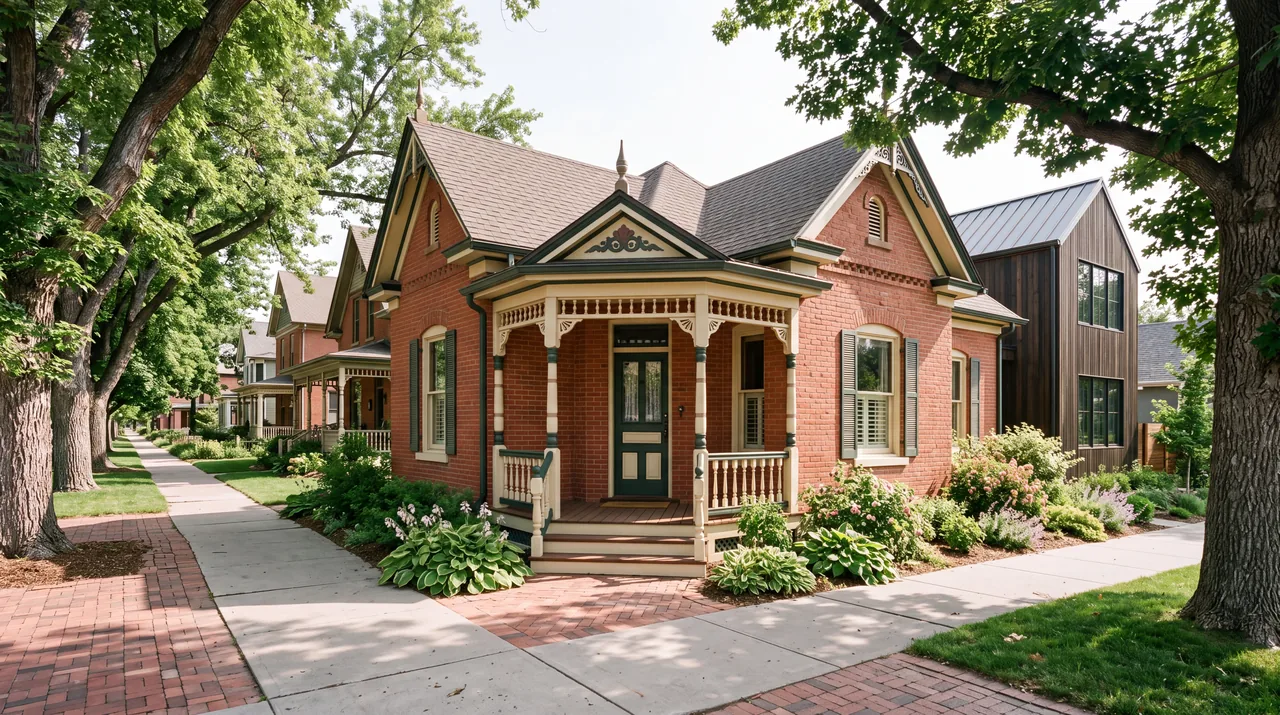
The Denver metro area holds a wide range of housing. Central Denver neighborhoods have Victorian houses, early 1900s bungalows and Denver Squares, many on narrow lots with alleys. Inner-ring suburbs such as Lakewood, Arvada and Aurora grew with postwar ranches and split-levels, and newer master-planned communities fill much of the south and east.
Permitting follows those lines. The City and County of Denver issues its own permits through its community planning and development department. Each suburban city runs its own building division, and unincorporated communities such as Highlands Ranch go through their county. Two houses ten minutes apart can face different code amendments, inspectors and design review.
How location changes a build or remodel
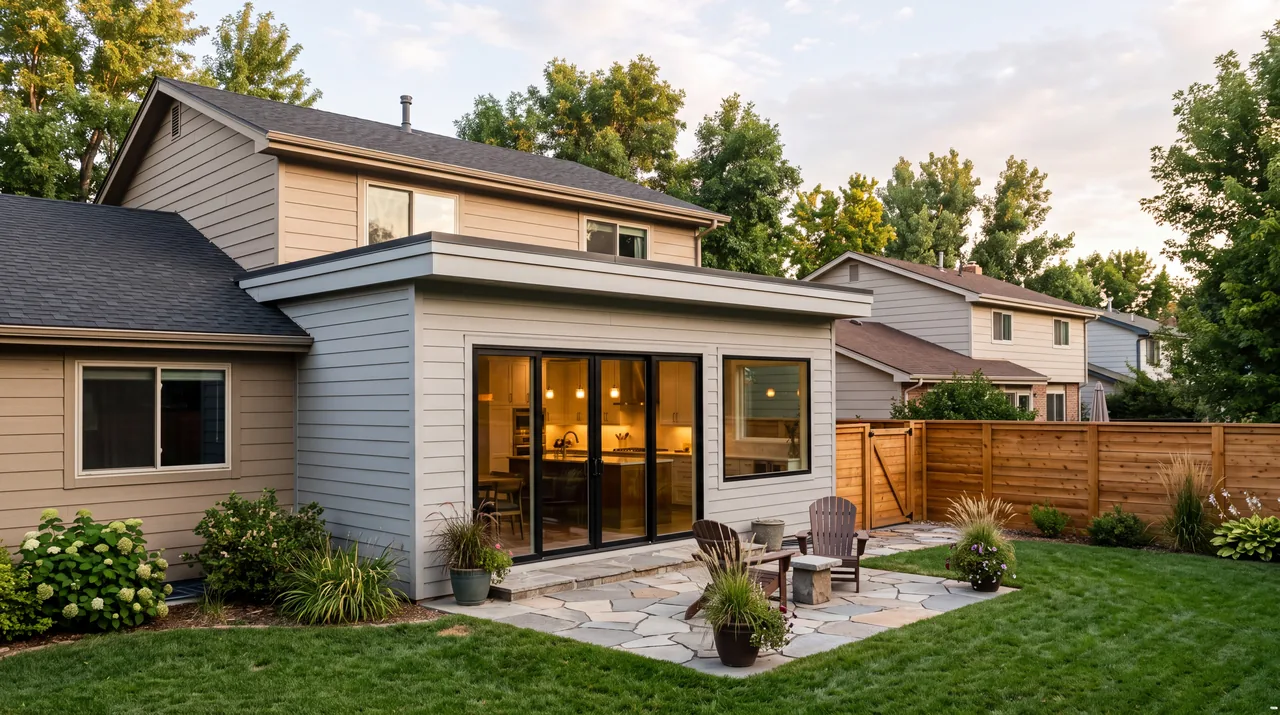
The same addition or kitchen remodel can look different from one city to the next, for reasons that have nothing to do with taste.
Soils and foundations
Expansive clay soils occur along much of the Front Range. A site-specific soils report should set the foundation design for any new home or addition, and it explains why slabs crack and doors stick in some older houses.
Who reviews the plans
Permits come from whichever city, town, county or regional department holds jurisdiction over the address. Colorado Springs and much of El Paso County use the Pikes Peak Regional Building Department. Many cities run their own. Mailing addresses can mislead, so confirm the jurisdiction first.
Design review
Older cores in Denver, Boulder and Fort Collins have designated historic districts and landmarks with exterior review. Master-planned suburbs usually have HOA or metro district guidelines that cover additions, decks, roofing and colors. Both can shape a design before the building department sees it.
What changes from north to south along the corridor
In Larimer County, Fort Collins and Loveland are separate cities with their own building departments and city-owned utilities, and both have river corridors with mapped floodplains. Through the Denver metro area, the patchwork of cities and counties means the jurisdiction question comes up on almost every project.
South of Denver, the land rises toward the Palmer Divide around Monument, where heavier snow brings higher design snow loads and wind becomes a bigger factor in roof and deck design. Colorado Springs adds hillside review on some west-side lots and a regional permit office shared with surrounding towns.
Hail runs the length of the corridor, as do freeze-thaw cycles and strong sun at altitude. Radon is common across Colorado, so testing belongs in any basement project.
Older cores and newer subdivisions
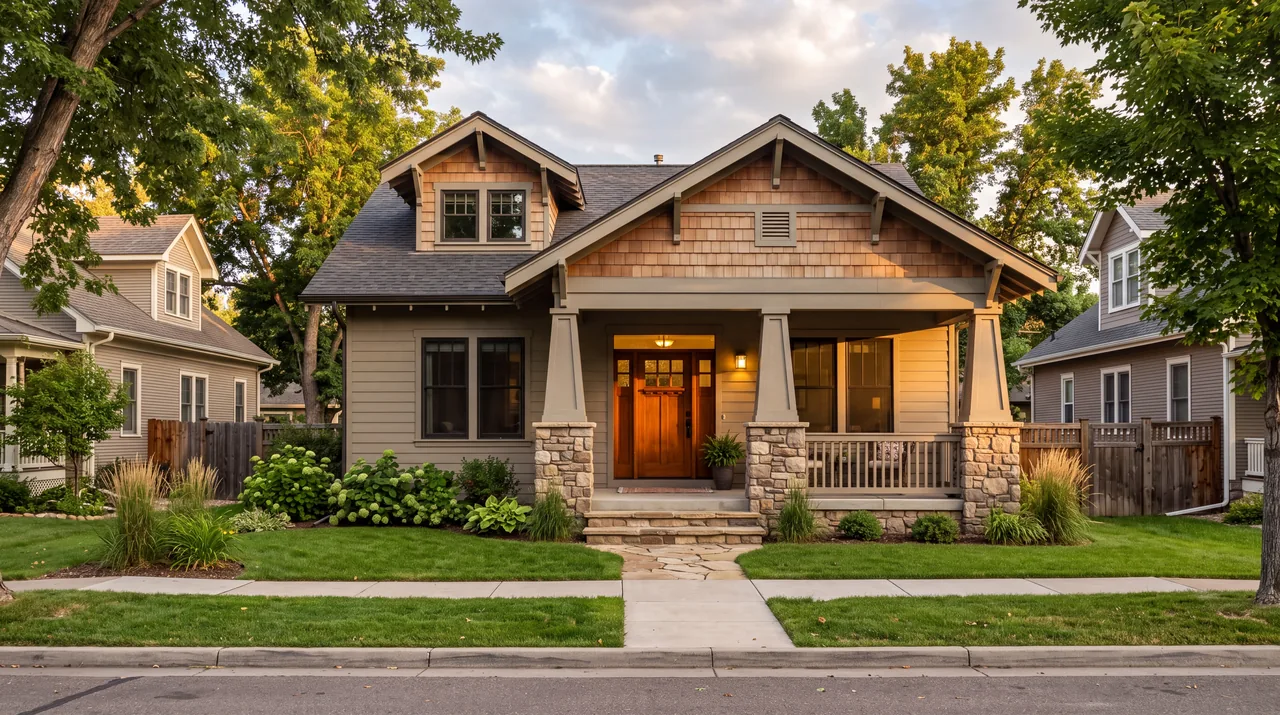
A 1910s bungalow and a 2010s subdivision home call for different work. Older houses near downtowns often need structure, wiring, plumbing and insulation brought up to date, and narrow lots push additions up or back. Newer homes are usually sound but come with covenants, unfinished basements and builder-grade finishes owners want to replace.
On any of them, the weak points are the same: the joints where roof meets wall, where windows meet siding and where a deck meets the house. The thinking behind the work explains how to judge those joints with any builder, and the custom homes page covers building new.
Questions about building and remodeling in the Front Range
What areas does Master Builders of Colorado serve?
The Front Range from Colorado Springs north to Fort Collins, including the Denver metro area. That covers new custom homes, remodels, additions, exterior work and repairs in the cities along that corridor.
Do you work in established neighborhoods or only new subdivisions?
Both. Master Builders of Colorado works in established neighborhoods and on infill lots, where older houses need remodeling, additions or replacement, and in newer subdivisions.
Who issues building permits along the Front Range?
It depends on the address. Cities such as Denver, Fort Collins and Loveland run their own building departments, Colorado Springs and much of El Paso County use the Pikes Peak Regional Building Department, and unincorporated areas generally go through their county.
Does location change how a project is designed?
Yes. Soils, snow and wind loads, floodplains and design review all vary by place and can affect foundations, roof framing, materials and where an addition can go. Gather those answers before design starts.