Colorado Springs neighborhoods and housing eras
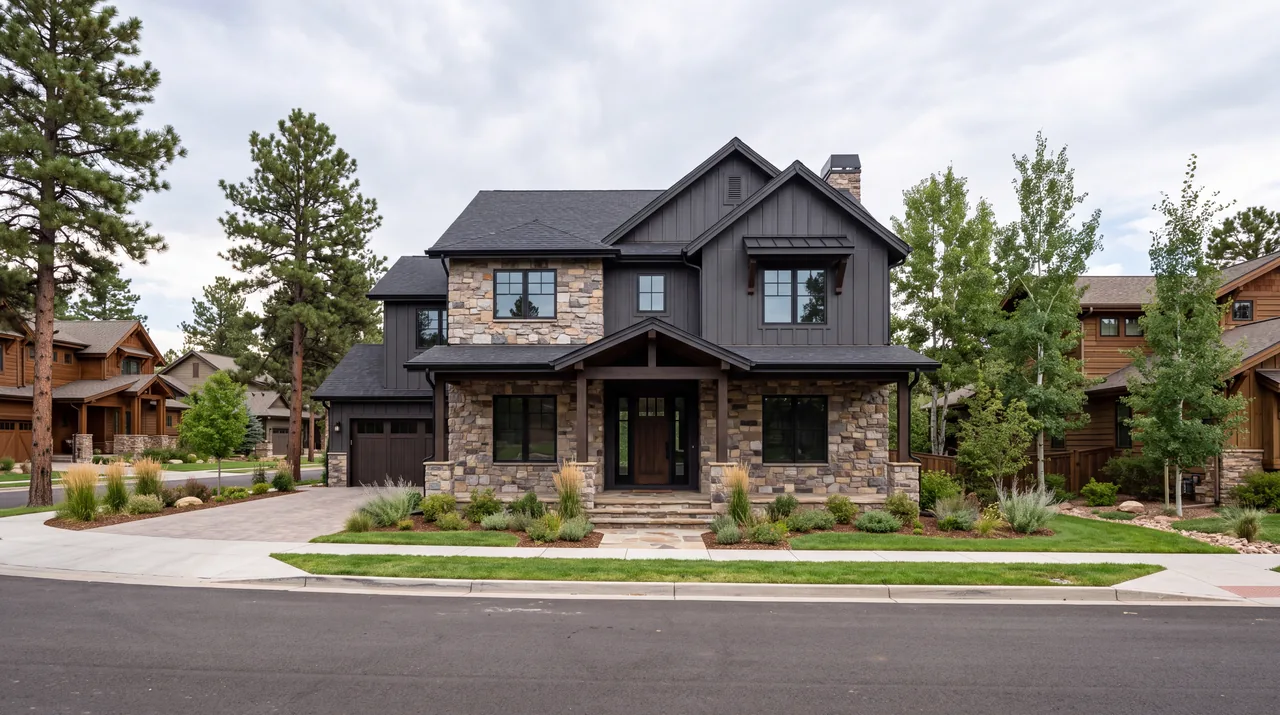
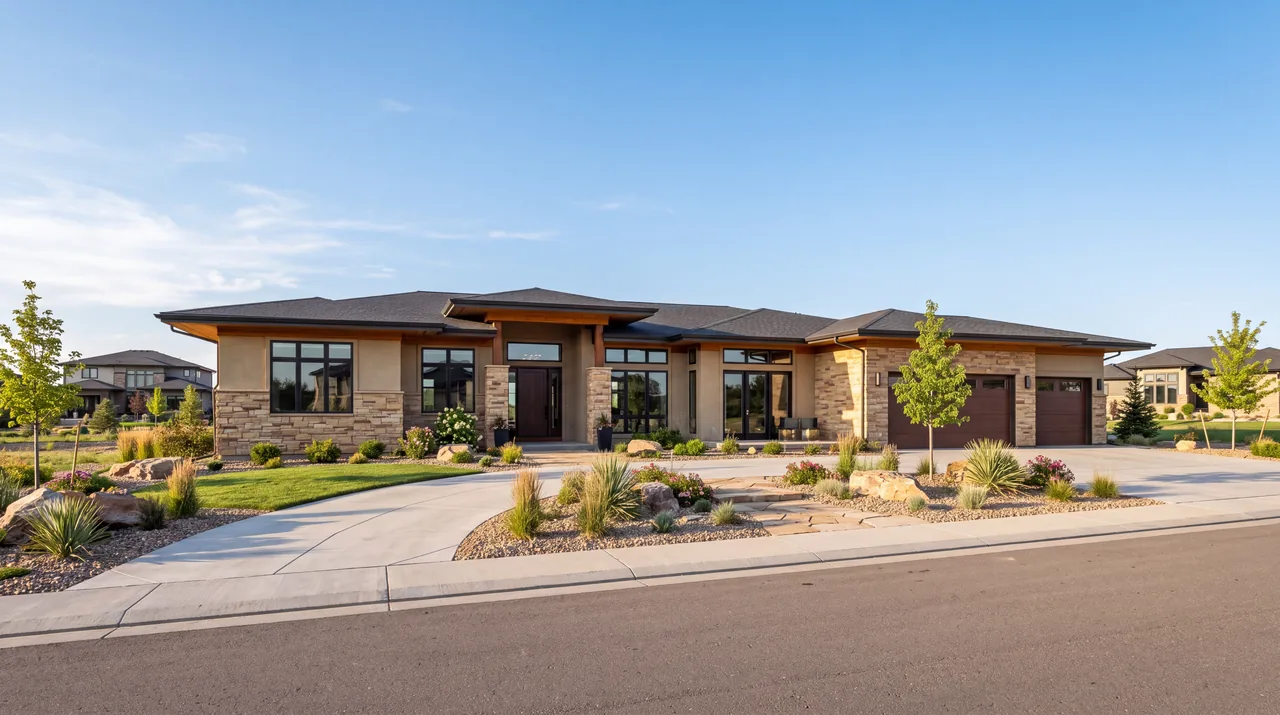
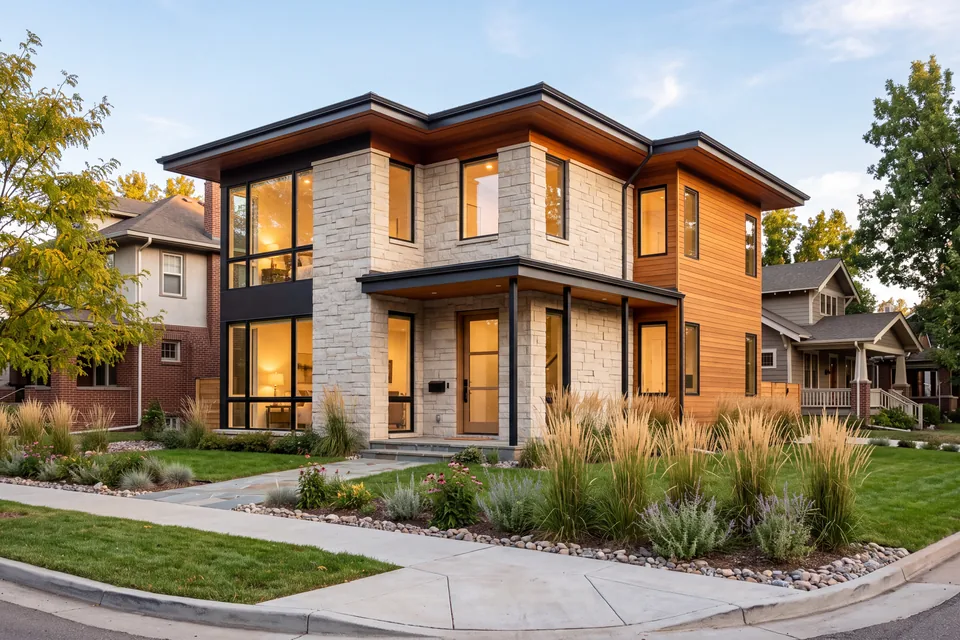
Colorado Springs is among the most varied places on the Front Range to build or remodel, with Victorian houses near downtown, postwar ranches, hillside homes on the west side and master-planned subdivisions still growing to the north and east.
Older central and west-side neighborhoods
The Old North End, near Colorado College, has large Victorian and early 1900s houses within a designated historic district. Around Patty Jewett, bungalows and other early 20th century houses line the blocks. On the Westside and around Old Colorado City, once a separate town, you'll find older cottages and Victorian homes on small lots.
Midcentury ranches and hillside homes
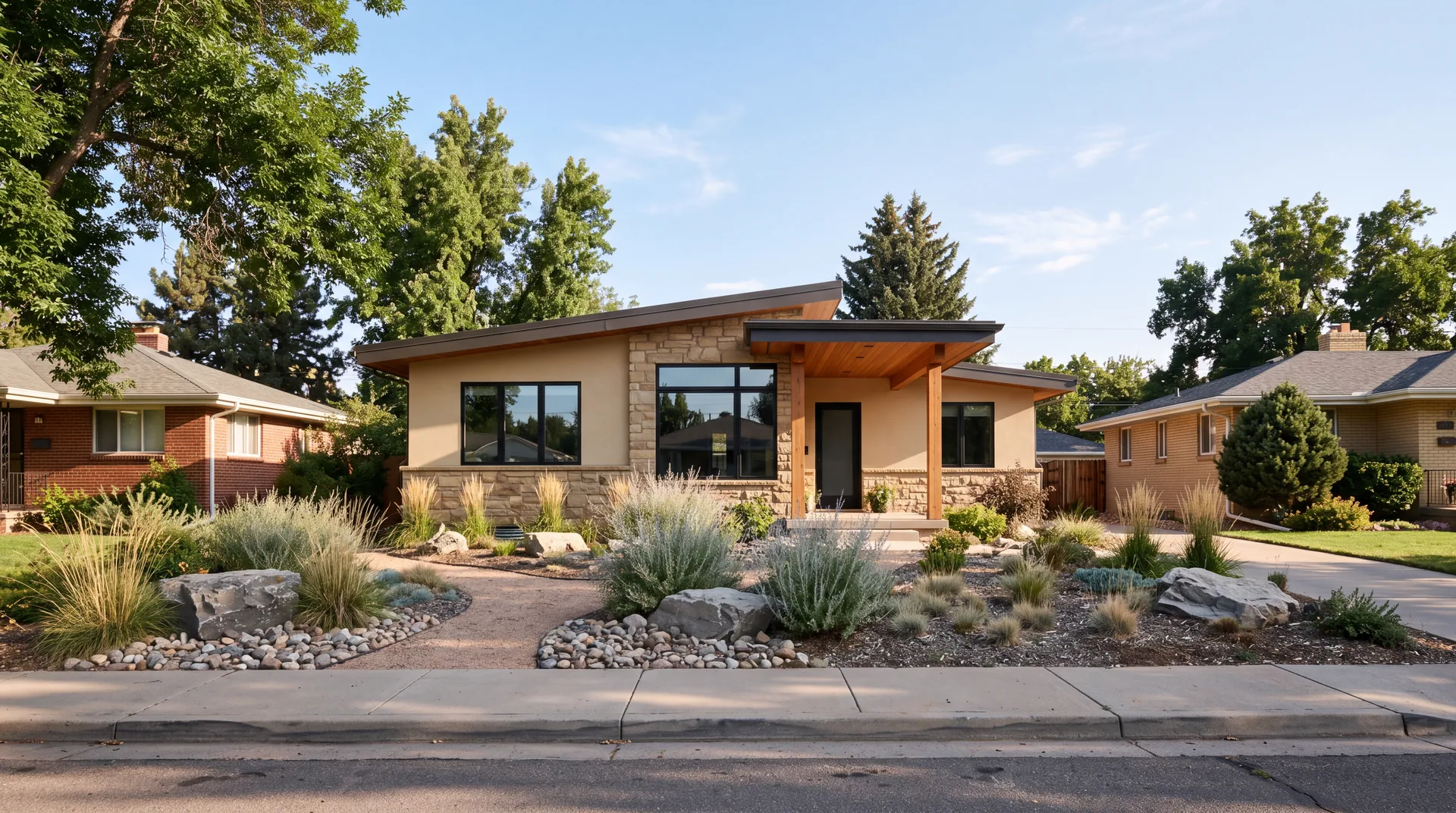
Ranches, bi-levels and split-levels from the 1950s through the 1970s are common across the central and eastern parts of the city. Rockrimmon, on the northwest side, grew mostly in the 1970s and 1980s with contemporary homes on sloping lots. Around the Broadmoor area in the southwest, older estates sit alongside later homes.
Newer master-planned communities
Briargate on the north side developed from the late 1970s onward, and newer communities such as Flying Horse, Wolf Ranch and Banning Lewis Ranch have followed. These areas usually come with HOA covenants and often a metro district, so additions, decks, roofing and exterior colors go through design review before permits.
What changes in Colorado Springs
- 01
Regional permits
The Pikes Peak Regional Building Department issues building permits and inspects work in Colorado Springs.
- 02
Zoning is separate
The city reviews setbacks, height and lot coverage, and some projects need planning approval first.
- 03
Hillside review
Steep lots in the city's hillside overlay face added review for grading, drainage and building placement.
- 04
Historic districts
Exterior changes in designated districts such as the Old North End can require preservation review.
- 05
City-owned utility
Colorado Springs Utilities provides electric, gas, water and wastewater, so service changes run through it.
- 06
Hail and wind
Frequent summer hail and strong wind events favor impact-rated roofing and carefully fastened siding.
Permits in Colorado Springs: regional building and city zoning
Building permits in Colorado Springs are issued by the Pikes Peak Regional Building Department, which also serves unincorporated El Paso County and several nearby towns, including Monument. It handles plan review and inspections and sets local snow and wind design loads.
Zoning and land use are separate. The City of Colorado Springs reviews setbacks, height, lot coverage and other zoning questions, and some projects need city planning approval before the building permit can move forward. Properties in a designated historic district can also need preservation review for exterior changes.
Utilities add one more layer. Colorado Springs Utilities, the city-owned utility, provides electric, natural gas, water and wastewater service across most of the city, so service upgrades and new connections are coordinated with it.
Soils, slopes and weather in Colorado Springs
Expansive clay soils occur in many parts of the Pikes Peak region and can heave slabs and crack foundations. Some west-side hillside areas also have a history of slope movement after wet periods, and the city applies a hillside overlay with added review for grading, drainage and building placement on steep lots. A geotechnical investigation is the starting point for any new home or addition.
Hail is frequent here in summer, so roof and siding choices carry real weight. Strong wind events, intense sun at altitude and freeze-thaw cycles wear on exteriors, decks and flashing. Radon is common in Colorado, and testing is worth doing before you finish a basement or close in a lower level.
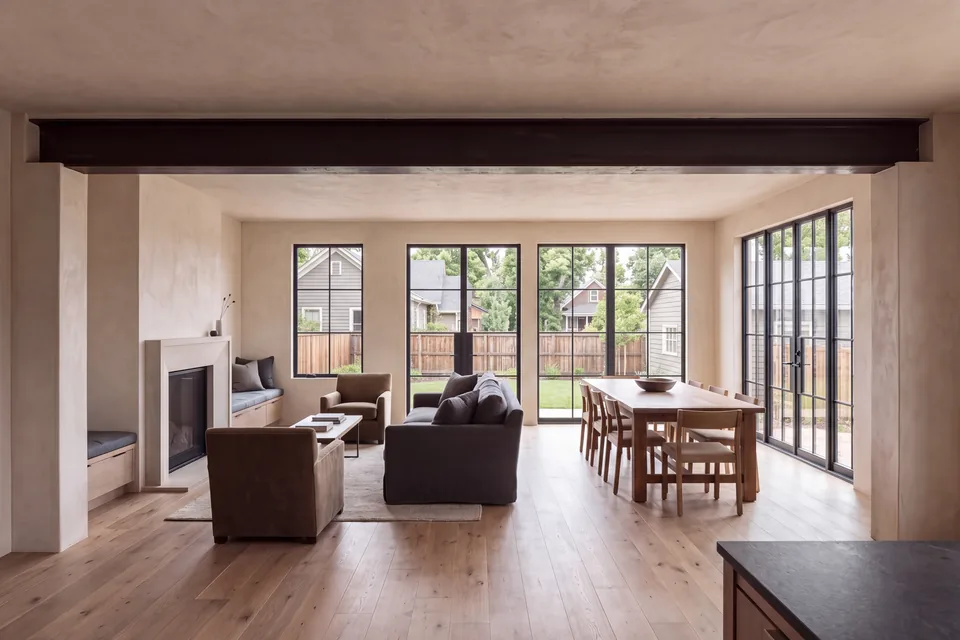 Whole-home renovationReworking an existing house end to end, including what the walls reveal.
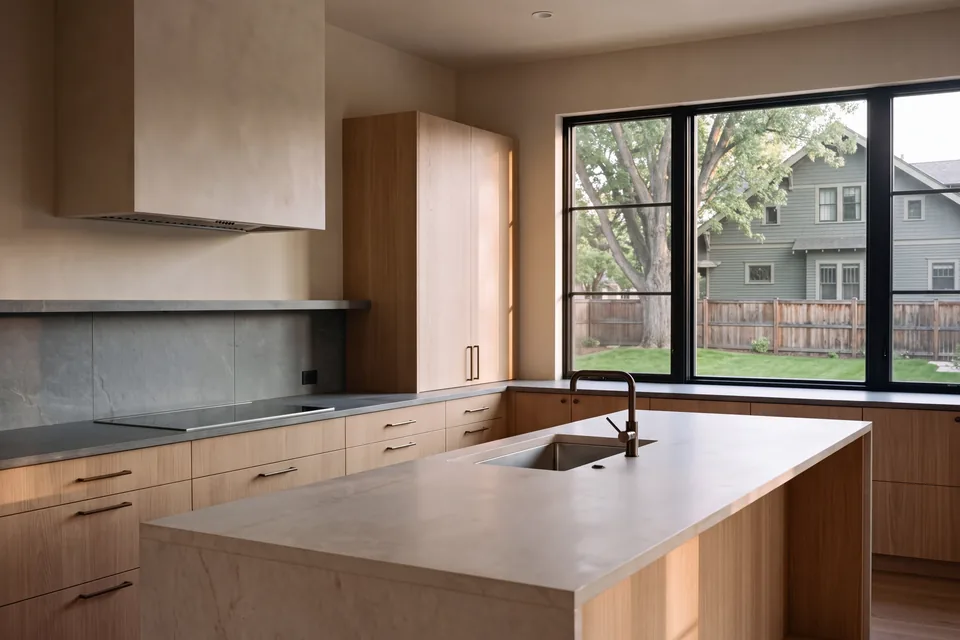 Kitchen remodelsLayout, ventilation, power and storage worked out before a cabinet is ordered.
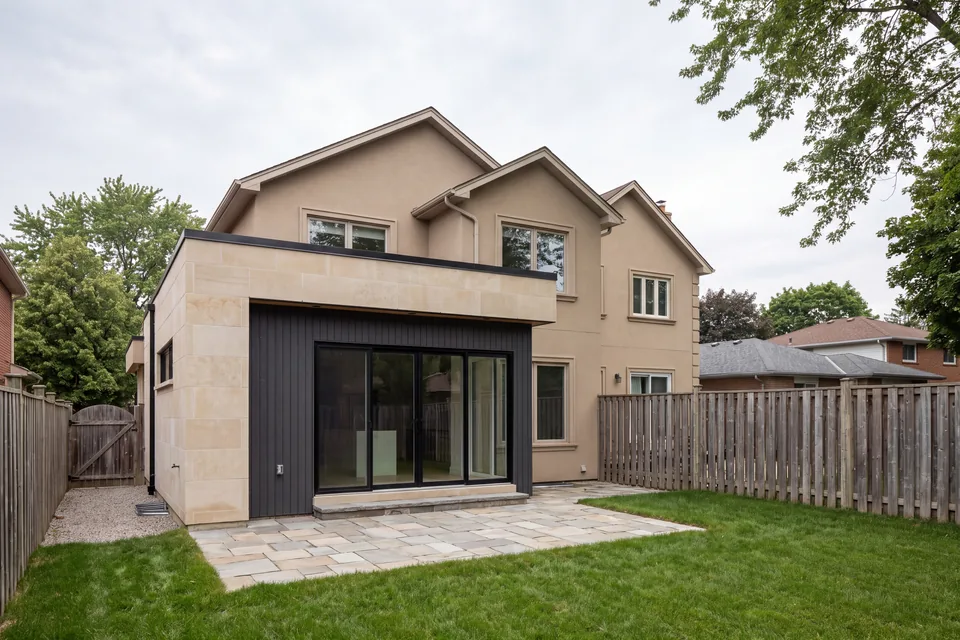 Home additionsNew space tied into the old structure so it looks and performs like one house.
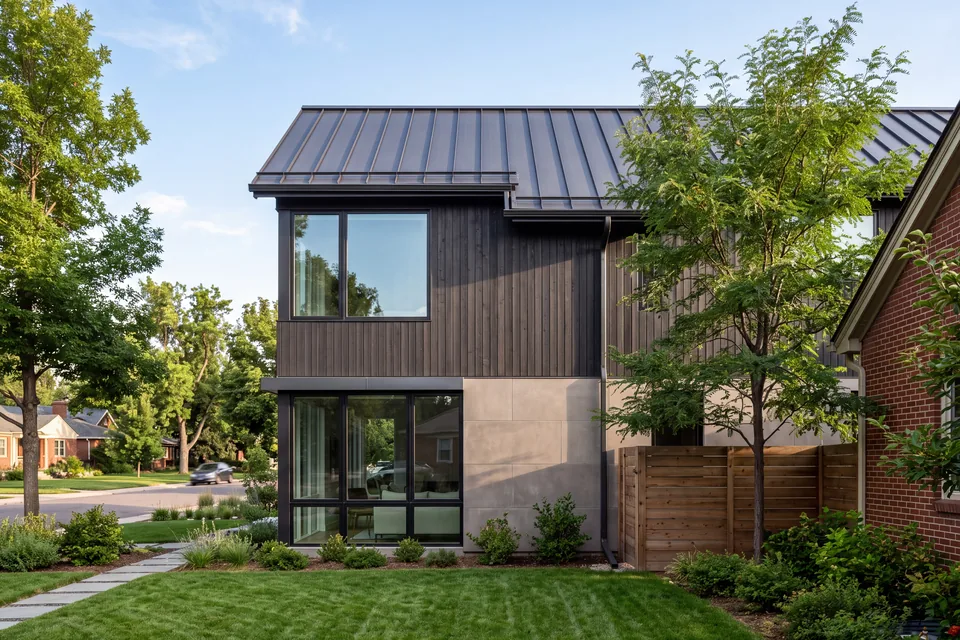 Roofing, siding and windowsThe weather-facing shell of the house, flashed and lapped to shed water and hail.
Remodels, additions and new homes Colorado Springs owners ask about
In the Old North End, Patty Jewett and the Westside, a whole-home renovation often makes more sense than piecemeal updates, since old wiring, plumbing and foundation issues tend to surface together.
Midcentury ranches and bi-levels are prime candidates for kitchen remodels that open the kitchen to the living space. Removing a bearing wall needs an engineered beam and a permit.
In Briargate and the newer northern communities, home additions in Colorado Springs are a common request, from a main-floor suite to a larger family room. HOA approval comes first.
After a hail season, roof, siding and window replacement is a chance to move to impact-rated roofing and fix the flashing details where water gets in.
Building new on an infill lot in Colorado Springs
Some owners in established neighborhoods weigh replacing a worn-out house with a new one on the same lot. That decision turns on zoning, any historic designation, the soils report and, on the west side, slope. A new custom home on an infill lot also has to respect the neighbors' light and drainage.
Renovate or rebuild, a house fails first at the transitions between materials. The joint details page shows what to look for at each one.
Questions about building and remodeling in Colorado Springs
Who issues building permits in Colorado Springs?
The Pikes Peak Regional Building Department issues building permits and handles inspections for Colorado Springs, unincorporated El Paso County and several nearby towns. Zoning review is separate and handled by the city.
Can I remodel a house in the Old North End historic district?
Yes, but exterior changes visible from the street can require preservation review in addition to a building permit. Interior remodels are generally simpler. Check the property's designation before design starts.
Do I need a soils report to build an addition in Colorado Springs?
For a new foundation, a soils or geotechnical report is the sound starting point, and the building department may require one. Expansive clay and west-side slopes make it important here.
Should I replace my roof with impact-rated shingles in Colorado Springs?
Given how often hail falls here, impact-rated roofing is worth pricing.
Do HOAs in Briargate and Flying Horse review remodels?
Additions, decks, roofing and color changes usually need HOA approval in master-planned communities. Get it in writing before you apply for a permit.