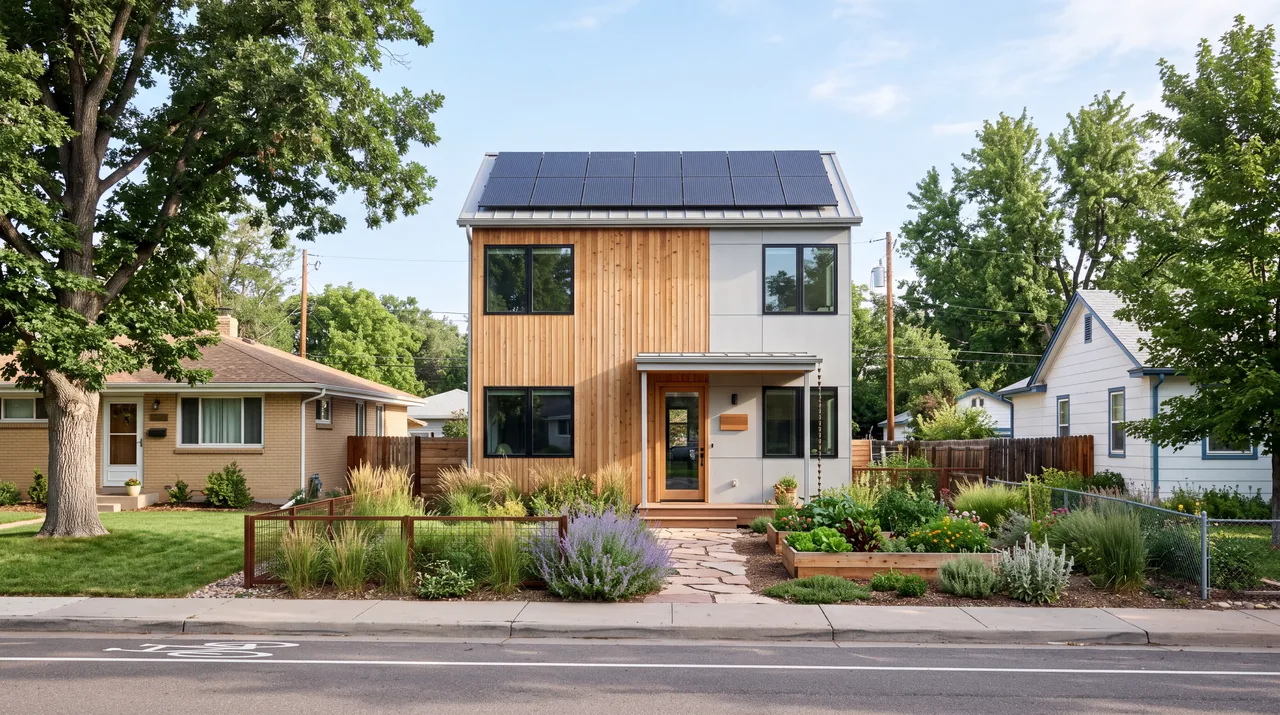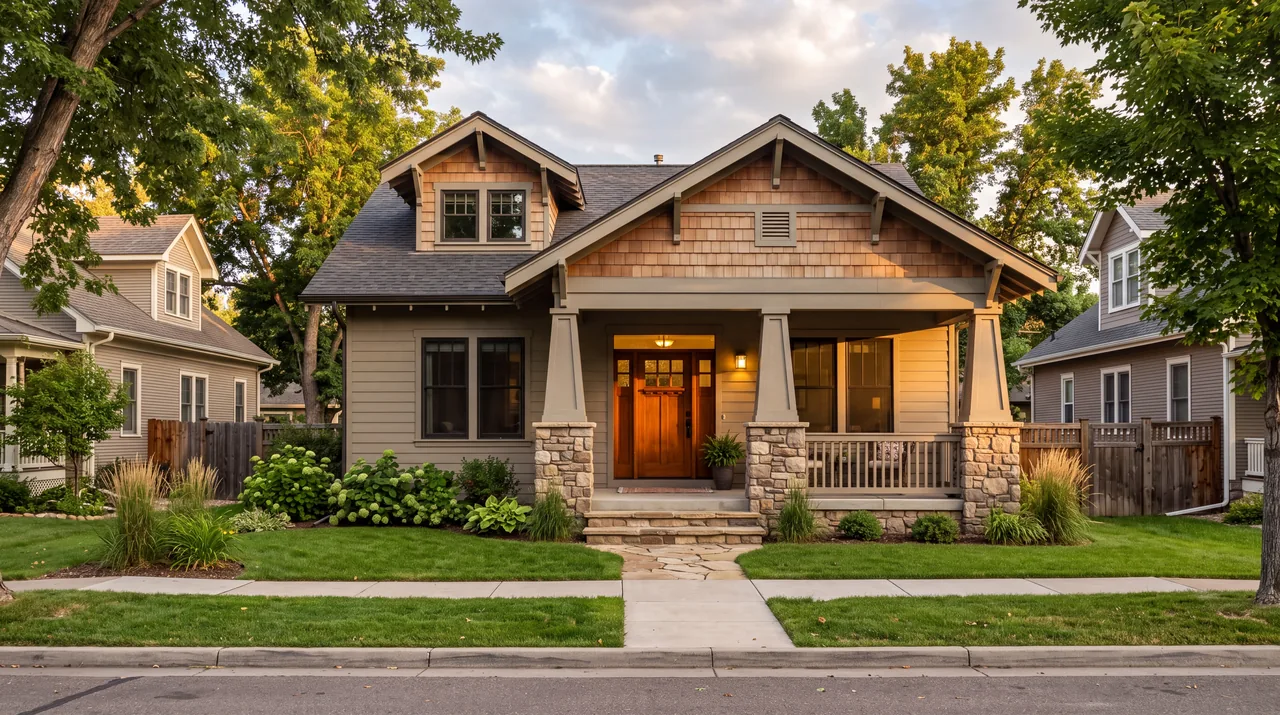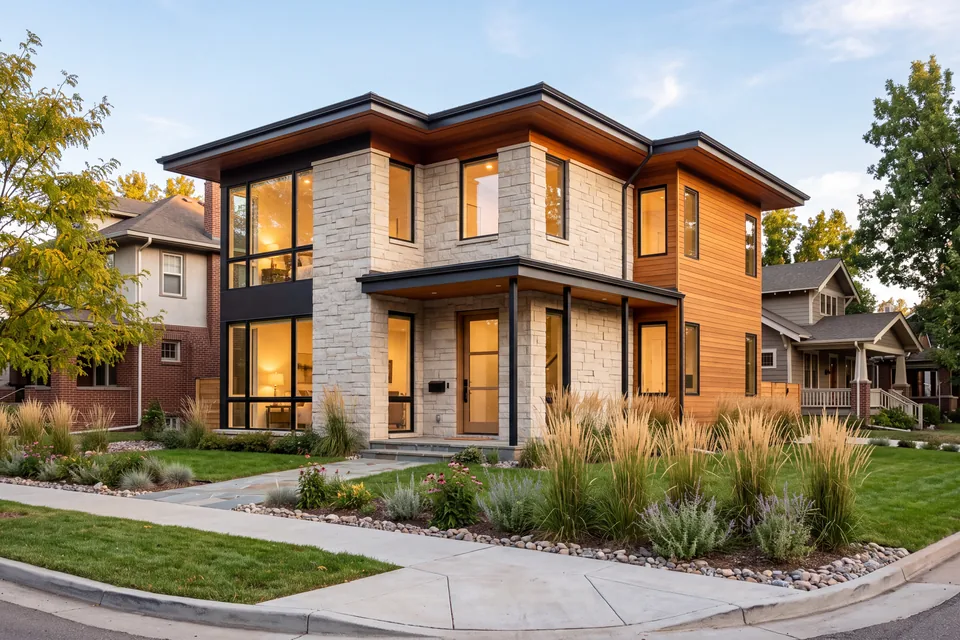
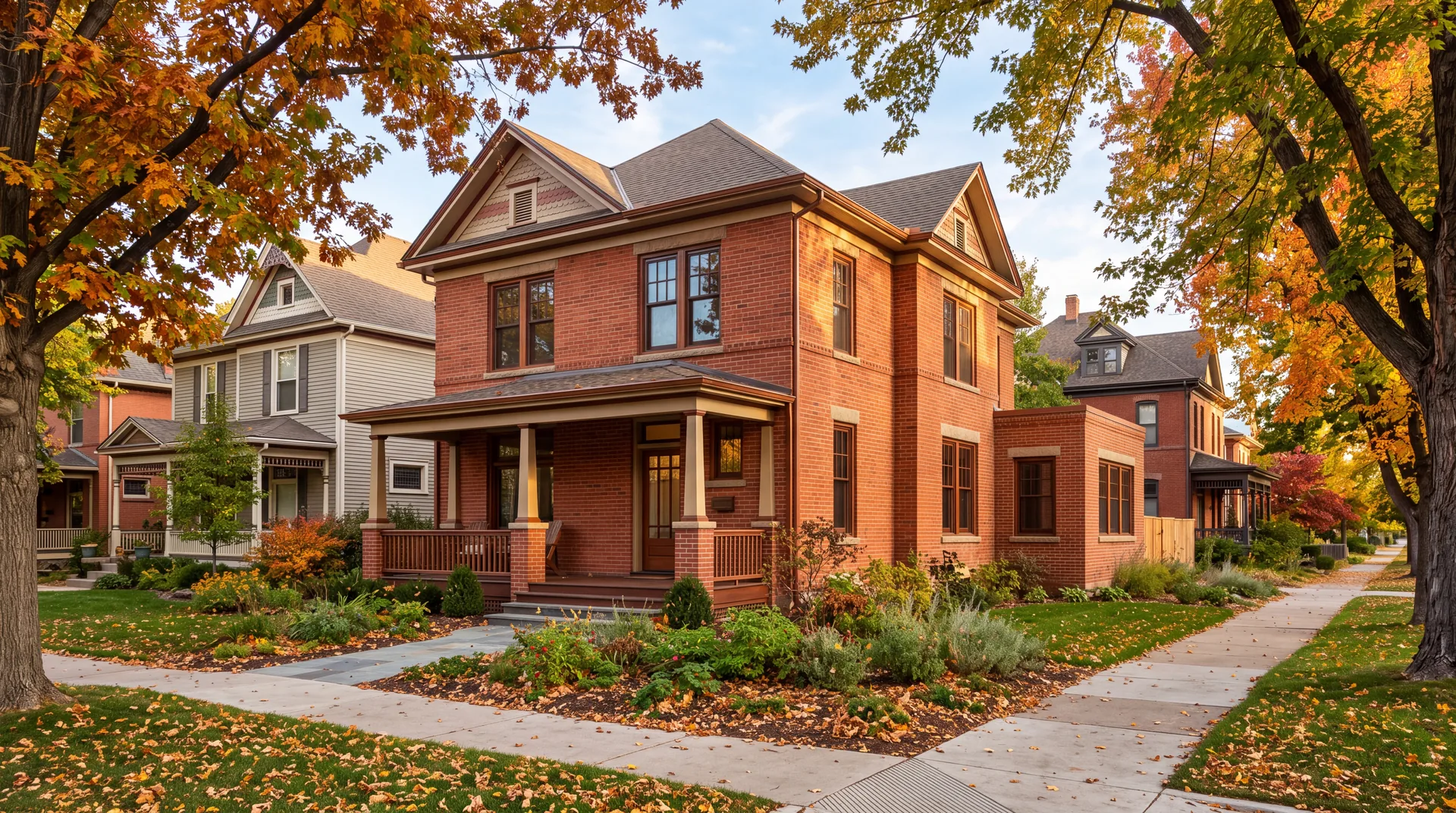
Longmont's older core and its newer subdivisions
Longmont began in the early 1870s as a planned colony town, and its oldest neighborhoods sit around Main Street and the downtown grid. Here you'll find Victorian-era and early 1900s houses, bungalows and small cottages on narrow lots with alleys, mixed with later infill.
Around that core, postwar ranches and 1960s and 1970s subdivisions fill in, followed by tract neighborhoods from the 1980s and 1990s. The newer edges of the city have master-planned subdivisions, including Prospect New Town, a traditional-style neighborhood with varied architecture and close-set homes. Most newer subdivisions carry HOA covenants and design review.
Old house, new subdivision: different first questions
In the older core, the first questions are about structure and history: the condition of an old foundation, knob-and-tube or undersized wiring, and whether the house sits in a historic district. In newer neighborhoods, the questions turn to covenants, unfinished basements and what to add to a house that's structurally sound.
What changes in Longmont
- 01
Two counties
Longmont is mostly in Boulder County with some areas in Weld County. The city issues permits inside its limits.
- 02
City electric utility
Longmont Power and Communications provides electric service, so coordinate service upgrades with the city utility early.
- 03
Older core
Houses around downtown can have old wiring, aging foundations and historic designations worth checking first.
- 04
Creek floodplains
Lots near St. Vrain Creek and Left Hand Creek may sit in a mapped floodplain with added requirements.
- 05
Newer subdivisions
Most newer neighborhoods have HOA design review for exterior changes, separate from the city permit.
Permits, utilities and building conditions in Longmont
Longmont sits mostly in Boulder County, with some areas in Weld County. Inside city limits, the City of Longmont reviews plans and issues building permits regardless of county. Properties outside city limits with a Longmont address are permitted by Boulder County or Weld County under their own rules.
Longmont also runs its own municipal electric utility, Longmont Power and Communications. For a new home, an addition or a service upgrade for an all-electric remodel, coordinate the electrical service early, since the city utility handles meters and service connections.
Historic districts and landmarks
Longmont has designated historic districts and individual landmarks near downtown. Exterior changes to a designated property can require historic review in addition to a building permit. Confirm a house's status before designing an addition or replacing windows and siding.
Creeks, soils and weather
St. Vrain Creek and Left Hand Creek run through Longmont, and lots in mapped floodplains carry extra requirements for new construction and additions. Expansive clay occurs in parts of the city, so a soils report should guide new foundations. Hail, strong sun and freeze-thaw cycles all test roofing, siding and the joints where water gets in.
The projects Longmont owners ask about
In the older core, a whole-home renovation often makes more sense than piecemeal updates, since wiring, plumbing, insulation and layout tend to need work at the same time. Narrow lots with alleys can suit a rear home addition, within setback and lot coverage limits.
In newer subdivisions, kitchen and bathroom remodeling and basement finishes lead the list, along with decks, and roofing and siding after hail. Master Builders of Colorado also builds new custom homes in Longmont on infill and subdivision lots.
- Test for radon before finishing a basement
- Plan egress windows for basement bedrooms
- Check HOA covenants before exterior changes in newer neighborhoods
- Check sewer lines and foundations in older houses before design
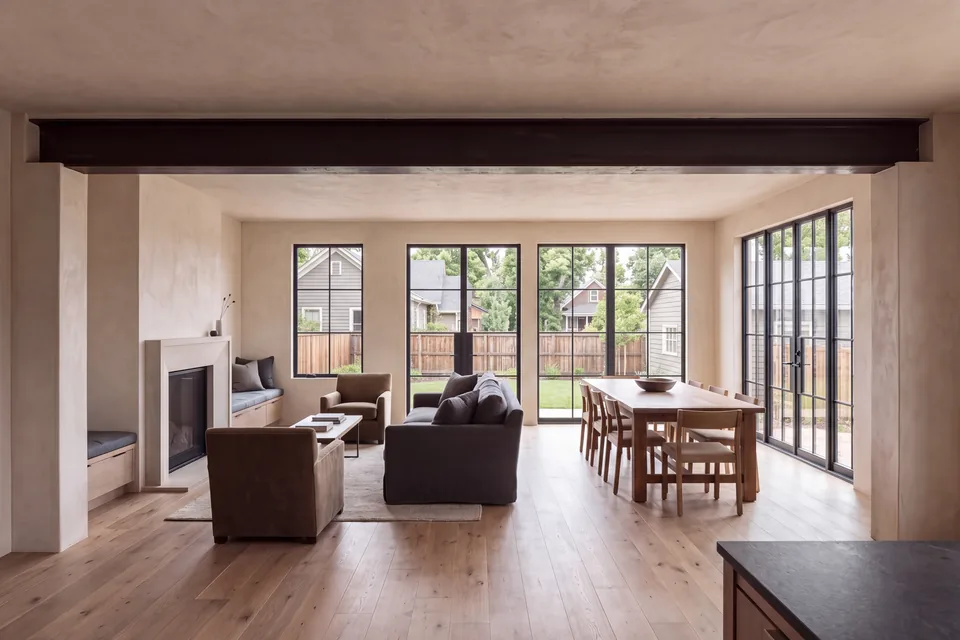 Whole-home renovationReworking an existing house end to end, including what the walls reveal.
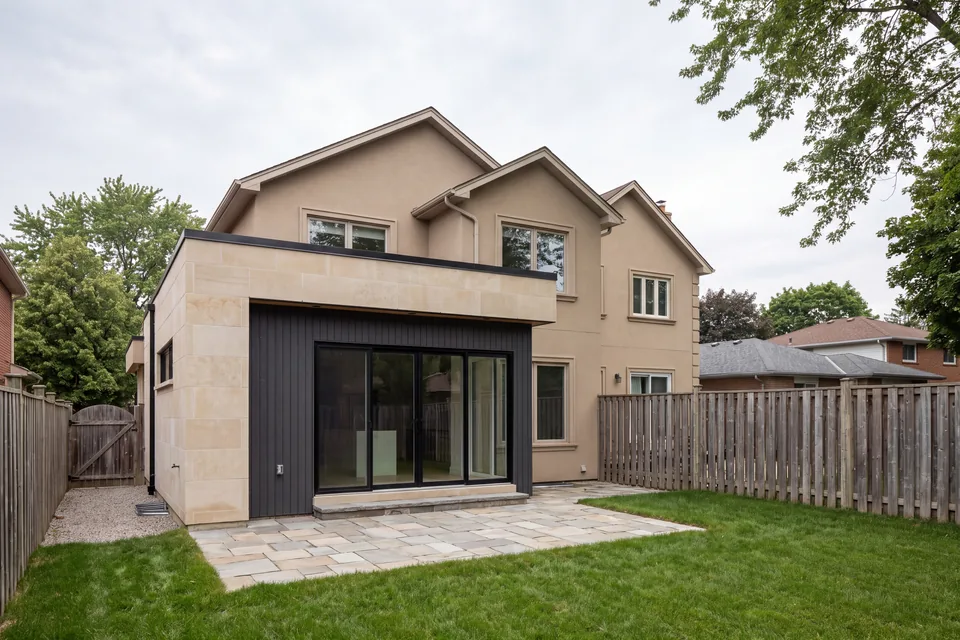 Home additionsNew space tied into the old structure so it looks and performs like one house.
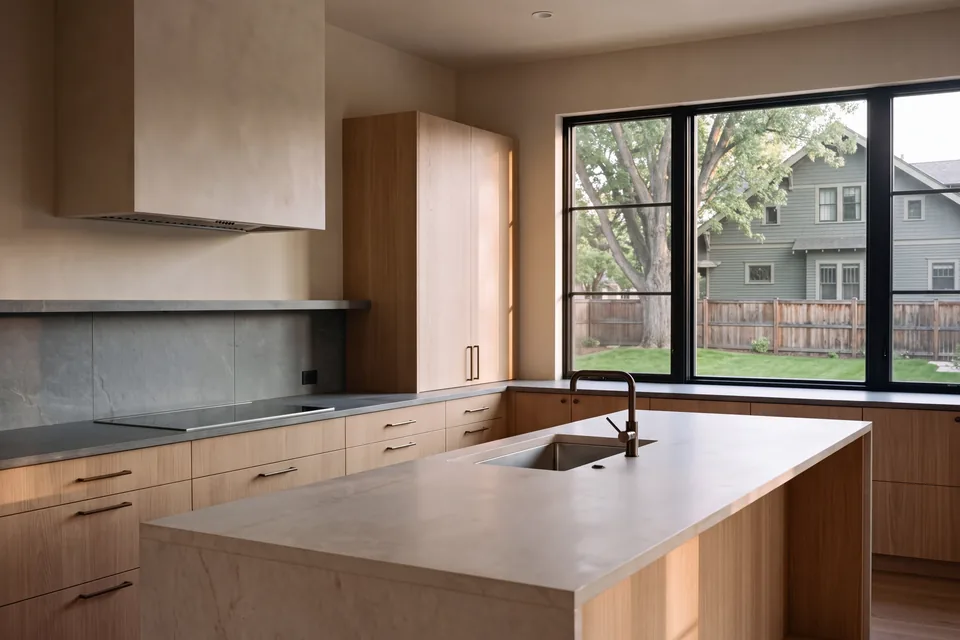 Kitchen remodelsLayout, ventilation, power and storage worked out before a cabinet is ordered.
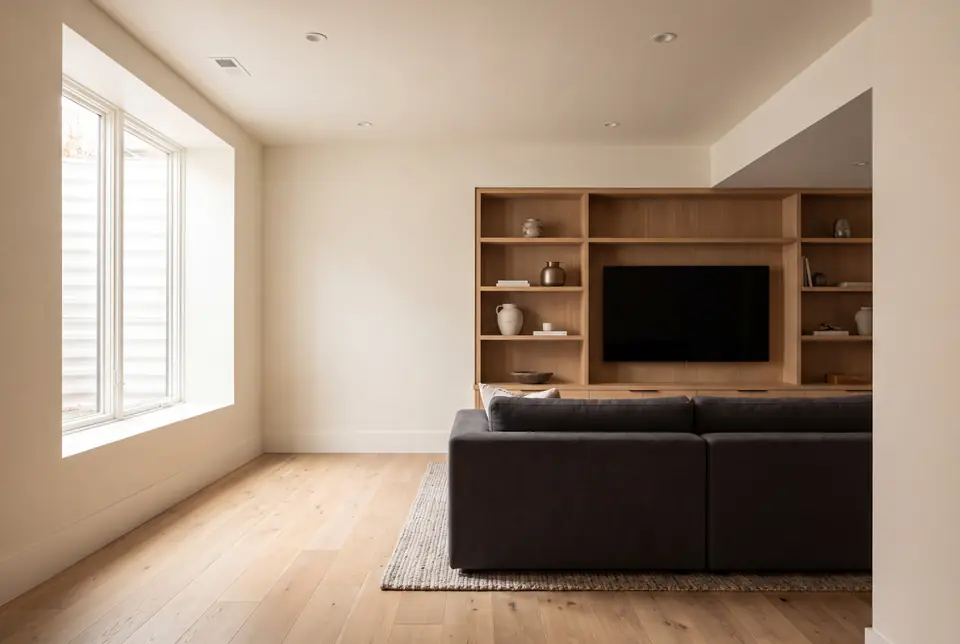 Basement finishingDry, safe, permitted lower levels, with moisture and radon handled first.
Starting a Longmont project
Confirm the jurisdiction, the floodplain status and any historic designation or HOA rules, then design to fit. That order prevents the most common redraws.
If you're comparing projects nearby, Boulder has its own historic and energy code requirements, and Loveland is the next city north. When you're ready, start a conversation about your Longmont house.
Questions about building and remodeling in Longmont
Who issues building permits in Longmont, CO?
Inside city limits, the City of Longmont, whether the property is in the Boulder County or Weld County part of the city. Properties outside city limits with a Longmont address are permitted by the county they're in.
Can I add on to an older house near downtown Longmont?
Often, yes. Setbacks and lot coverage limits apply, and if the house is in a historic district or landmarked, exterior changes may need historic review. Alley access can make a rear addition easier to build on a narrow lot.
Is my Longmont lot in a floodplain?
Check the current flood maps, especially for lots near St. Vrain Creek or Left Hand Creek. A floodplain location can affect where and how you build an addition or new home, so find out before design starts.
Does Master Builders of Colorado build custom homes in Longmont?
Yes. Master Builders of Colorado builds custom homes in Longmont and takes on remodels, additions, basement finishes, decks, roofing, siding and windows, and repairs.